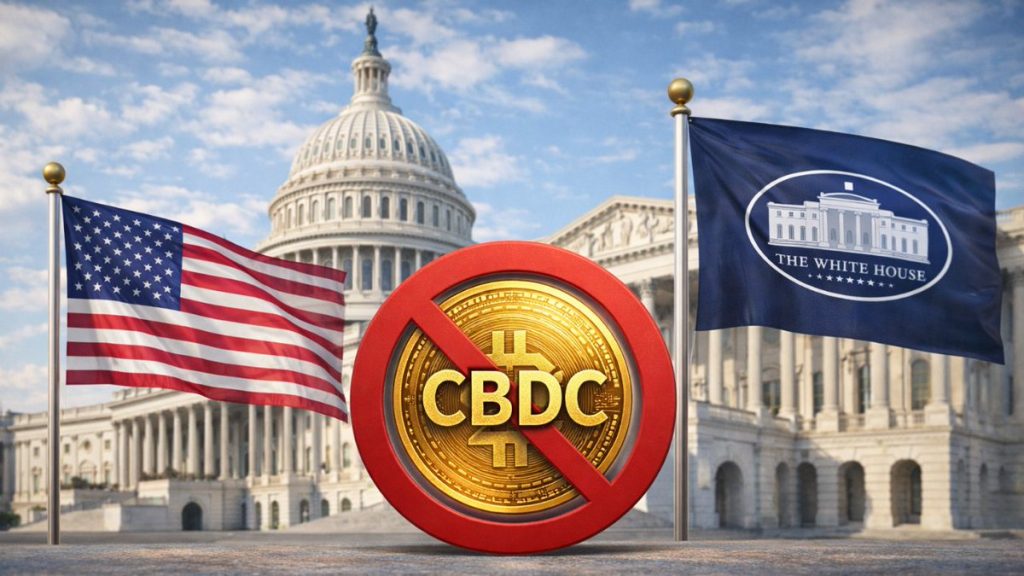
The United States Senate has moved forward with the 21st Century ROAD to Housing Act, a wide ranging measure that combines housing policy reforms with restrictions on central bank digital currencies. The legislation cleared a key procedural vote by a margin of 84 to 6, reflecting strong bipartisan backing for changes to both housing and digital money policy.
According to Burgess Everett, congressional bureau chief at Semafor, the lopsided vote is a rare show of unity in today’s political climate.
Housing Expansion Effort Paired With Digital Currency Limits
In addition to its provisions on digital assets, the bill seeks to address housing shortages across the country. Lawmakers aim to reduce regulatory delays, increase the supply of homes, and limit the growing influence of large institutional investors in the single family rental market. The proposal also looks to streamline financing and development processes nationwide to make housing more affordable and accessible.
Supporters argue that the broad support for the measure reflects a shared urgency to tackle rising housing costs.
A key element of the legislation is its restriction on central bank digital currencies. The bill would prohibit the Federal Reserve from issuing a digital dollar through 2030. The ban would apply to any such currency created directly by the central bank or distributed through financial intermediaries.
The provision was added after House conservatives called for stricter limits on digital asset initiatives during negotiations. Rather than advancing separate crypto legislation, lawmakers incorporated the restriction into the broader housing package.
Officials at the Federal Reserve have previously stated that any move toward a central bank digital currency would remain in the research phase and require congressional approval before implementation. Even so, the inclusion of the ban has reignited debate over privacy, payment systems, and regulatory oversight in the United States.
The White House Backs the Bill Amid Ongoing Debate
The White House has expressed support for the measure, indicating that President Trump’s advisers would recommend that he sign the bill if it reaches his desk. The endorsement highlights the unusual cross party alignment behind the proposal, even though many Democrats have opposed placing limits on Federal Reserve research into digital currencies.
Before becoming law, the legislation must still clear additional procedural steps, including reconciliation with the House version. It remains uncertain whether the digital currency restriction will remain intact in the final draft, leaving the crypto sector closely monitoring developments. #cryptonews https://t.me/coinsignalpublic https://coinsignals.net