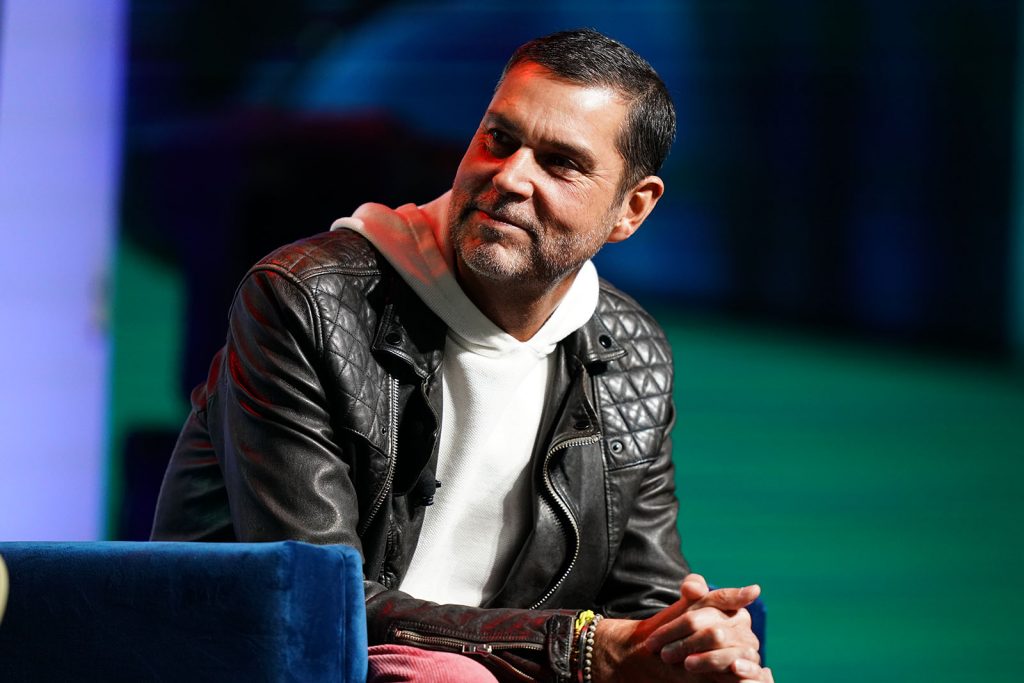
Raoul Pal argues that Bitcoin’s nearly 40% decline from its all-time high of $126,000 is not evidence of a broken crypto cycle or a failed market, but rather the result of a temporary liquidity squeeze in the United States. With Bitcoin currently trading just above $77,000, the market remains fragile, and many investors are bracing for further volatility. Pal cautions against the prevailing narrative that claims the crypto market is “broken,” calling it a misleading story driven by short-term liquidity disruptions rather than structural flaws in the asset class.
He highlights that Bitcoin and the UBS SaaS Index have shown remarkably similar price patterns recently, which suggests that both assets are reacting to the same underlying macroeconomic factor rather than asset-specific problems. According to Pal, that factor is US liquidity, which has been constrained due to a series of technical and fiscal events. He points to the completion of the US Reverse Repo drain in 2024 and subsequent Treasury General Account (TGA) rebuilds in mid-2025 that were not offset by liquidity injections, resulting in a temporary withdrawal of available capital.
Pal explains that this liquidity shortage has also contributed to weaker-than-expected ISM readings and broader risk-off behavior in financial markets. While global total liquidity usually correlates strongly with Bitcoin and US equities over the long term, he argues that US liquidity is currently the dominant influence, as the US remains the primary source of global capital. Pal notes that global liquidity has started to turn higher this cycle, which should eventually flow through to US liquidity and support risk assets, including Bitcoin.
Long-duration assets like Bitcoin and SaaS equities are particularly affected because they are more sensitive to liquidity conditions. The recent rally in gold, for example, has absorbed marginal liquidity that might otherwise have flowed into riskier assets, leaving insufficient capital to support multiple asset classes simultaneously. Additionally, the ongoing US government shutdown has intensified the liquidity drain, as the Treasury added to the TGA rather than drawing it down, creating what Pal describes as a temporary “air pocket” that placed severe downward pressure on prices.
Despite these short-term challenges, Pal remains optimistic about the near-term outlook. He expects that resolution of the government shutdown will remove the last major liquidity obstacle. Further liquidity support is anticipated through adjustments to the enhanced supplementary leverage ratio (eSLR), partial TGA drawdowns, fiscal stimulus, and eventual rate cuts, all of which should help restore market stability.
Pal also addressed concerns that the market is being weighed down by fears of a more cautious Fed under incoming chair Kevin Warsh. He dismissed claims that Warsh will pursue a hawkish policy stance, calling these narratives outdated and misleading. According to Pal, Warsh’s approach is consistent with supporting rate cuts and economic expansion while maintaining balance sheet stability within reserve constraints.
In conclusion, Pal stresses that Bitcoin’s recent price action reflects macro liquidity conditions rather than any intrinsic failure of the crypto cycle. He remains strongly bullish on Bitcoin and crypto markets for 2026, emphasizing that improving liquidity, regulatory adjustments, and broader market recovery should create a favorable environment for risk assets in the months ahead.