coinsignals

Crypto Investor Loses $24 Million After Violent Robbery Forces Wallet Transfer

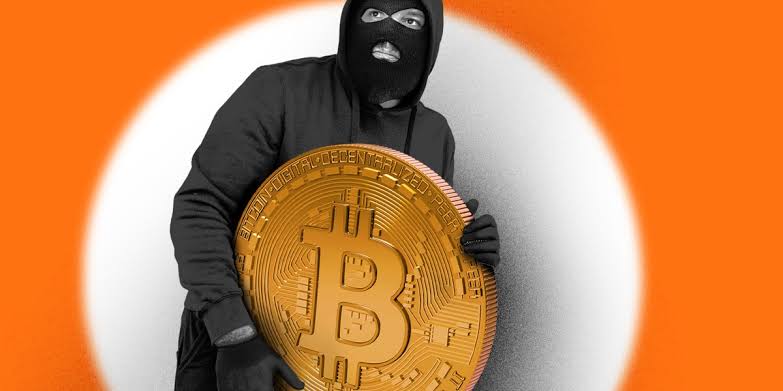
A cryptocurrency holder known online as Sillytuna revealed on March 5 that attackers stole about 24 million dollars worth of tokens after threatening him with violence during a physical robbery.

The incident has renewed concerns about so called wrench attacks. In these crimes, perpetrators rely on physical threats to force victims to hand over access to their crypto wallets instead of attempting to break into them digitally.

Victim Describes Violent Coercion

In several posts on X, Sillytuna explained that armed attackers demanded control of his holdings while threatening severe violence. According to him, the group carried weapons and issued threats involving kidnapping and sexual assault. He also stated that law enforcement authorities in the United Kingdom were already investigating the case.

In one of his posts, he said that about 24 million dollars worth of AUSD was stolen from his wallet and that the robbery involved violence, weapons, and threats of kidnapping and assault. He confirmed that the police had been notified.

Soon after the incident became public, blockchain analytics platforms began tracing the movement of the stolen funds. Arkham shared data showing that attackers took around 23.6 million dollars in aEthUSDC linked to an address associated with Sillytuna.

According to the firm’s analysis, most of the funds were quickly exchanged for other tokens and distributed across several wallets. Nearly 20 million dollars was converted into DAI and placed in two Ethereum addresses. Smaller portions of the stolen assets were also moved to other networks.

Roughly 2.48 million dollars was transferred to the Arbitrum network. There, the funds passed through several Wagyu accounts and were later used to purchase Monero, a privacy focused cryptocurrency known for making transaction tracking significantly more difficult.

Arkham also reported that about 1.1 million dollars was transferred to the Bitcoin network through a bridging service. A portion of those funds may have been sent to a mixing service.

Security firm PeckShield initially suggested the incident might have been an address poisoning attack. However, Sillytuna rejected that explanation and insisted the theft resulted from direct physical intimidation rather than any type of wallet exploit.

The victim has offered a bounty of 10 percent for the recovery of any stolen funds, even if the perpetrators themselves return the assets. He also called on exchanges and blockchain investigators to help trace or block the transactions.

Community Tracking Effort

After Sillytuna shared details of the attack, members of the cryptocurrency community began closely examining the transactions. Security researcher Tay Vano identified several wallet addresses connected to the theft and confirmed that Wagyu was being used to move the funds into Monero.

PerpetualCow, the developer behind Wagyu, later responded by saying the platform does not freeze user funds as part of its policy. However, he claimed that the transactions could have been stopped earlier if the activity had been noticed at the time, explaining that he had been asleep when the transfers occurred.

He added that compliance systems eventually detected the suspicious activity and prevented additional transfers from being processed.

While some community members focused on tracking the stolen assets, others reacted differently. A group within the Solana ecosystem launched a meme token inspired by Sillytuna’s name and said that trading fees from the token would be used to help offset the victim’s losses.

The case involving Sillytuna reflects a broader rise in wrench attacks. One of the most notable incidents occurred in January 2025 when Ledger co founder David Balland was kidnapped from his home in France. During the attack, criminals severed one of his fingers to pressure associates into paying a ransom.

In another incident, a United States resident visiting London was drugged and lost about 122 thousand dollars in cryptocurrency after unknowingly smoking a cigarette that had been laced with scopolamine.#cryptonews https://t.me/coinsignalpublic https://coinsignals.net
Binance Secures Major Legal Victory After US Court Dismisses Anti Terrorism Lawsuit

Binance has achieved a significant legal win after a United States federal court dismissed all claims filed against the cryptocurrency exchange under the Anti Terrorism Act.

In a press release published on March 7, the company revealed that the US Federal Court in the Southern District of New York threw out the lawsuit that accused Binance of supporting terrorism.

Eleanor Hughes, Binance’s General Counsel and spokesperson on the matter, described the ruling as a complete rejection of the accusations made against the exchange.

The lawsuit had been filed by 535 plaintiffs who claimed that the world’s largest cryptocurrency exchange provided material support connected to 64 terrorist attacks, relying on provisions contained in the Anti Terrorism Act.

However, the court issued a 62 page decision in which Judge Jeannette Vargas dismissed the civil case against Binance and its former chief executive Changpeng Zhao. The ruling concluded that the plaintiffs failed to prove their main allegations.

Hughes said the court clearly rejected what she described as a false and harmful narrative that Binance helped terrorists. She added that the company has consistently maintained that the accusations lacked merit and that the ruling confirms that position. She also noted that Binance will continue to defend itself strongly against lawsuits or reports that misrepresent the company and its operations.

The plaintiffs have been given 60 days to submit an amended complaint following the recent appellate decision. Despite this opportunity, Binance expressed confidence that any revised filing will not address the key weaknesses identified by the court, noting that the underlying claims have already been thoroughly reviewed and rejected.

In a separate but somewhat related development, eleven Democratic senators in the United States led by Richard Blumenthal recently asked the Department of Justice and the Treasury Department to investigate Binance over allegations that the platform facilitated about 1.7 billion dollars in transactions involving entities linked to Iran.

Binance has strongly denied those allegations, stating that it operates a robust compliance program supported by more than 1,500 specialists across the world. The company says this team works continuously to strengthen monitoring and ensure adherence to regulatory standards.#cryptonews https://t.me/coinsignalpublic https://coinsignals.net
Binance Strongly Denies US Senate Allegations of Iran Sanctions Violations

Binance has formally responded to accusations raised by US Senator Richard Blumenthal, firmly denying claims that its compliance systems are weak or that it facilitated any form of illegal financial activity.

The response follows a letter from Senator Blumenthal that questioned Binance’s anti money laundering controls and referenced media reports from outlets including The New York Times, Fortune, and The Wall Street Journal.

Binance stated that the reports cited in the Senate inquiry contain false, unsubstantiated, and defamatory allegations regarding its sanctions enforcement and AML procedures.

Binance’s Response

The company stressed that it maintains a strong compliance framework supported by more than 1,500 specialists worldwide, along with advanced monitoring tools designed to identify suspicious transactions. Binance also said it has consistently cooperated with law enforcement agencies, noting that it handled more than 71,000 such requests in 2025 alone.

According to the exchange, its team assisted authorities in seizing over 750 million dollars in illicit assets, including nearly 580 million dollars recovered for United States agencies. Binance further reported that its exposure to wallets associated with illegal activities has dropped by almost 97 percent since early 2024. This includes a 97.3 percent reduction in exposure to major Iranian crypto trading platforms.

Two entities mentioned in the Senate inquiry, Hexa Whale and Blessed Trust, were investigated internally and removed from the platform after reviews triggered by requests from law enforcement authorities. Binance added that no account on its platform conducted direct transactions with organizations based in Iran.

The company also dismissed claims regarding internal whistleblowers, explaining that the departures of certain employees were part of routine staff turnover.

Despite these assurances, Binance acknowledged that eliminating risk entirely on public blockchains is impossible. However, the company stated that it relies on strong monitoring systems and strict controls to reduce and manage potential risks.

The Senate Inquiry

In late February, eleven Democratic senators led by Richard Blumenthal sent a letter urging the Department of Justice and the Treasury Department to investigate Binance over alleged violations of sanctions related to Iran in 2026.

The inquiry referenced findings reportedly discovered by Binance’s own compliance staff last year. According to the letter, about 1.7 billion dollars in digital assets had flowed to entities connected to Iran.

Among the groups mentioned were the Iran backed Houthi movement and the Islamic Revolutionary Guard Corps. The letter also alleged that a vendor working with Binance directed about 1.2 billion dollars in a single instance to accounts linked to Iran.

The senators called for a swift and thorough review of the platform’s sanctions compliance to ensure that it is not violating the law again or posing a risk to United States national security.

They further claimed that individuals in Iran had gained access to more than 1,500 Binance accounts and suggested that the platform may also have been used to help Russia evade US sanctions.#cryptonews https://t.me/coinsignalpublic https://coinsignals.net

Iran Will Be Hit Very Hard Today, Warns Trump: Potential Impact on Bitcoin

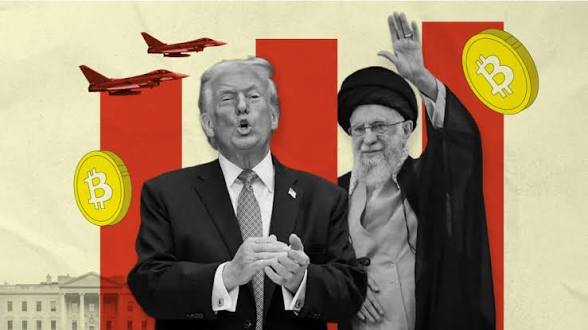
Donald Trump has issued a new warning regarding Iran, stating that the country will face severe consequences following the ongoing conflict that began last Saturday between Iran, the United States, and Israel.

Iran rejected Trump’s demand for unconditional surrender, with its president calling the request a “dream.” Despite this defiance, Iranian authorities issued a rare apology to neighboring countries for strikes on multiple sites in the region.

The US President intensified his rhetoric, warning that Iran could face a very hard strike today. He further suggested that locations and groups not previously targeted might be “under serious consideration for complete destruction and certain death.”

Bitcoin Reacted to Initial Strikes

When the first air strikes occurred last week, Bitcoin immediately dropped from 67,000 dollars to 63,000 dollars. It later rebounded to 68,000 dollars on the same day, particularly after reports confirmed that Iran’s Supreme Leader had been killed during the attacks.

As geopolitical tensions continued to rise, bitcoin climbed to a monthly high of 74,000 dollars by Wednesday. The rally was rejected at that level, and a weak US jobs report along with Trump’s comments on Iran and Cuba pushed the price back down to 68,000 dollars.

Current Situation and Market Outlook

At the time of writing, bitcoin remains near 68,000 dollars, showing little reaction to the latest threats. However, volatility could increase if Trump’s warnings are carried out, especially since the crypto market remains open for trading over the weekend while other financial markets are closed.

Bitcoin’s movements will likely continue to be sensitive to developments in the conflict, making this weekend critical for traders and investors alike.#cryptonews https://t.me/coinsignalpublic https://coinsignals.net
Pi Network’s PI Hits Three-Month High While Bitcoin Battles $68K Support

Pi Network’s PI token continues to defy the broader market trend, recording significant daily gains even as most cryptocurrencies struggle.

Bitcoin was unable to hold the 70,000 dollar level and has declined by around 2,000 dollars since then, now testing the 68,000 dollar support. Meanwhile, many altcoins are also experiencing losses. Ethereum fell below 2,000 dollars and BNB dipped under 630 dollars. PI remains a standout performer with a notable price surge.

Bitcoin Falls to 68,000 Dollars

Last Saturday brought significant volatility following joint air strikes by the United States and Israel against Iran. Iran responded immediately, targeting several nations in the region despite the death of its Supreme Leader during the attacks. Bitcoin initially dropped from 67,000 dollars to 63,000 dollars in reaction to the strikes but quickly recovered to 68,000 dollars later that same day.

Price movements continued as global markets reopened on Monday, with buyers regaining control. By Wednesday, bitcoin reached a one-month high at 74,000 dollars, marking an 11,000 dollar gain since Saturday’s low. A correction began that day and continued through Saturday.

As reported yesterday, bitcoin fell below 70,000 dollars following a weak US jobs report and recent political remarks from Donald Trump regarding Iran and Cuba. By Saturday morning, BTC hit a multi-day low of 67,500 dollars. It has since rebounded to around 68,000 dollars but remains down approximately 4 percent for the day. The market capitalization has decreased to about 1.36 trillion dollars, while BTC’s dominance over other cryptocurrencies stands at 56.6 percent.

PI Token Defies the Market Trend

The broader altcoin market remains under pressure from bearish sentiment. Ethereum dropped nearly 5 percent to below 2,000 dollars. Solana fell about 5 percent to 84 dollars, while Binance Coin, XRP, Dogecoin, Bitcoin Cash, and Monero each lost between 2 and 3 percent. Heavier losses were seen among SKY, ZEC, SUI, and AAVE.

In contrast, Pi Network’s PI token surged roughly 13 percent in a single day, reaching approximately 0.23 dollars for the first time in three months. Analysts suggest that ongoing protocol updates are likely driving the token’s impressive performance.

Despite PI’s gains, the total cryptocurrency market capitalization fell by over 50 billion dollars in one day, dropping to roughly 2.4 trillion dollars according to CoinGecko data.#cryptonews https://t.me/coinsignalpublic https://coinsignals.net

Ripple ETFs Record Weekly Outflows as XRP Fails to Break Above $1.45

Exchange traded funds linked to XRP experienced a week of net outflows after the asset failed to sustain a breakout above the 1.45 dollar level.

Although the week started with positive momentum for spot XRP ETFs in the United States, the trend reversed toward the end of the week. As a result, the funds closed the week in negative territory for the first time since late January.

At the same time, the cryptocurrency itself struggled to maintain upward momentum after facing strong resistance and dropping below an important support level.

XRP ETFs See Weekly Outflows

Investment products tracking the performance of XRP, the fifth largest cryptocurrency by market value, have faced mixed activity in recent weeks. Earlier in the year, some trading days even recorded minimal movement, with data provider SoSoValue reporting no measurable inflows worth noting.

Despite that slow activity, the funds still finished all four weeks of February with positive net inflows, though the pace slowed toward the end of the month.

March initially began with stronger demand. The funds recorded net inflows of 7 million dollars on Monday, followed by 7.53 million dollars on Tuesday and a smaller 4.19 million dollars on Wednesday.

However, the trend reversed on Thursday when investors withdrew 6.15 million dollars from the funds. The situation worsened on Friday when outflows reached 16.62 million dollars. This marked the largest single day withdrawal since January 29 when investors removed about 92.92 million dollars.

Because of these withdrawals, the first trading week of March ended with a net loss of approximately 4.09 million dollars for XRP ETFs. Total cumulative inflows also declined to around 1.24 billion dollars after reaching a midweek peak of about 1.26 billion dollars.

Among the available funds, Canary Capital remains the largest issuer with its XRPC product leading the market. Meanwhile, Bitwise Asset Management has narrowed the gap with its own XRP ETF. The two funds currently hold about 266.11 million dollars and 265.42 million dollars respectively.

XRP Price Momentum Slows

The early week inflows and a broader market recovery initially helped XRP rise from its weekend low of around 1.27 dollars to roughly 1.47 dollars by Wednesday.

However, the rally lost strength after Bitcoin faced resistance near 74,000 dollars and ETF flows turned negative. XRP subsequently slipped back below the 1.40 dollar level.

Market analyst CryptoWZRD noted that the asset closed the period without a clear directional signal but suggested that the XRP and bitcoin trading pair could soon play a significant role in determining price movement. According to the analyst, XRP needs to stay above the 1.3820 level to maintain bullish momentum, although the token is currently trading slightly below that threshold.

Despite the recent pullback, some prominent supporters of XRP on social media continue to share ambitious price projections. One analyst known as Cobb recently stated that a potential move toward 4 dollars for XRP should not be considered unrealistic. #cryptonews https://t.me/coinsignalpublic https://coinsignals.net

Dubai Regulator VARA Orders Two Crypto Exchanges to Stop Operations

Virtual Asset Regulatory Authority has issued formal orders requiring two cryptocurrency exchanges to halt their activities after determining that they were operating without proper authorization.

The regulator stated that the platforms KuCoin and MEXC may have been providing digital asset trading services to residents of Dubai without obtaining the required regulatory approval.

According to VARA, the exchanges may also have misrepresented their legal status while offering virtual asset related services within the jurisdiction.

The authority issued a cease and desist directive covering all unlicensed virtual asset activities. In its official notice regarding KuCoin, VARA warned investors and consumers about the risks associated with engaging with unlicensed platforms.

The regulator explained that dealing with companies that do not comply with VARA regulations, rulebooks, and applicable laws in the United Arab Emirates could expose users to serious financial risks and possible legal consequences for breaching regulatory or criminal laws.

VARA also clarified that KuCoin does not hold a license to provide cryptocurrency services in or from Dubai. As a result, any services promoted or carried out by the exchange in the region would be considered a violation of the regulator’s rules.

The regulatory framework governing digital assets in Dubai was introduced about four years ago and requires all virtual asset service providers to obtain proper licensing before operating in the market.

One day before issuing the notice against KuCoin, VARA released a similar warning involving MEXC. The statement contained the same message and instructed the exchange to immediately stop all activities related to virtual assets in or from Dubai. #cryptonews https://t.me/coinsignalpublic https://coinsignals.net

Vitalik Buterin Suggests Human Verified AI Wallets for Crypto Transactions

Vitalik Buterin has shared his vision for how artificial intelligence could reshape the next generation of Web3 cryptocurrency wallets.

The Ethereum co founder suggested a system where AI helps users plan transactions but humans remain responsible for approving large or high value transfers.

AI Could Power the Next Generation of Crypto Wallets

Buterin shared his thoughts on the decentralized social platform Farcaster, stating that it is very likely future wallet designs will rely heavily on artificial intelligence.

However, he emphasized that he would not trust large language models to independently handle transactions worth millions of dollars or to manage large sums of money. Instead, he proposed a model where AI tools assist users while the final approval remains in human hands.

In his suggested process, an AI system would first generate a proposed transaction plan. A local light client would then simulate the transaction so the user can review the expected result. After checking both the action and its outcome, the user would manually approve the transaction.

Buterin also warned that such systems must be introduced carefully with strong security measures. One of his suggestions is to remove decentralized application interfaces from the transaction process. By eliminating direct interaction with dApp interfaces, the system could reduce several potential attack points related to theft and privacy risks.

The 32 year old developer has previously spoken about the relationship between cryptocurrency and artificial intelligence. He believes blockchain technology and AI could complement each other, with crypto networks providing trust, privacy, and economic infrastructure needed for AI systems to operate more safely and fairly.

Possible AI Assisted Wallet Designs

Other developers and community members also responded to Buterin’s ideas by suggesting possible ways the concept could work in practice.

Andrey Petrov described two additional approaches. In the first scenario, a user would initiate a transaction as usual while an AI system analyzes the transaction data before it is signed. The AI would attempt to determine the user’s intention and explain the action in simple language so the user can confirm whether it matches what they meant to do.

In the second scenario, the user either states their goal directly or relies on the explanation created in the first step. The AI would then rebuild the transaction independently without referencing the original amount to check if it produces the same result. If there are differences between the two versions, those discrepancies would highlight areas that require further review before the transaction is finalized.

Another Farcaster user known as fkaany suggested a framework where AI systems plan more complex crypto strategies. These could include multi step token swaps, yield optimization strategies, and transaction fee reduction.

In this model, a local light client would simulate the expected outcome so users can review a clear summary before approving the transaction. This approach could help reduce risks associated with blind signing, phishing interfaces, and malicious transaction payloads while still keeping users in full control of their funds.#cryptonews https://t.me/coinsignalpublic https://coinsignals.net
Bitcoin Adoption and Offline Storage Increase Despite Weak Market Conditions, Santiment Reports

Although bitcoin’s price performance has been unstable recently, new data suggests there is positive momentum when it comes to adoption.

Crypto analytics firm Santiment has identified network indicators showing that bitcoin adoption continues to grow even as the broader market experiences weaker conditions.

According to the firm’s research, both adoption and the use of cold storage are increasing. More investors are transferring their bitcoin holdings to offline storage solutions, a behavior that is typically associated with long term investors who plan to hold their assets rather than trade them frequently.

Bitcoin Adoption Continues to Grow

Data shared by Santiment shows that the number of non empty wallets on the Bitcoin network has reached a new all time high of 58.45 million.

Over the past six months, this figure has grown by about 1.69 million wallets, representing an increase of roughly 3 percent. The growth suggests that more investors have continued to buy and hold bitcoin in recent months, even as prices declined and many market participants expected the beginning of a bear market.

At the same time, the amount of bitcoin held on exchange wallets has fallen sharply. The balance on known exchange addresses has dropped to its lowest level since December 2017, with exchanges currently holding around 1.17 million BTC.

The rise in adoption along with the shift toward offline storage indicates that many investors are following a strategy of buying during price declines. Both retail and institutional investors appear to be accumulating bitcoin, although the pace has not been particularly aggressive. Current data also suggests that institutional investors are accumulating at a higher rate than retail participants.

Earlier this month, CryptoPotato reported that spot bitcoin exchange traded funds in the United States recorded their first significant wave of accumulation since mid October 2025. During that period, inflows into these funds reached about 1.45 billion dollars on February 25.

Meanwhile, retail investor participation has weakened. Analyst data showed that retail inflows declined by roughly 5 billion dollars during the thirty day period between February 6 and March 2.

Genuine Accumulation Supports Spot Demand

Spot market demand for bitcoin has also been rising even as geopolitical tensions create uncertainty in financial markets.

Despite the ongoing conflict related concerns, investors who are not relying on leverage, along with institutional buyers, continue to purchase bitcoin. Some of this demand is linked to investors in the United States, which is reflected in the Coinbase Premium indicator turning positive after remaining negative for an extended period.

Data from derivatives markets also suggests that the current demand is not being driven by speculative leveraged trading. Instead, it appears to be supported by genuine accumulation of the asset.

This increase in spot demand recently helped bitcoin move back above the 70,000 dollar level for the first time in about three weeks. At the time of writing, bitcoin was trading near 70,560 dollars, representing a slight decline over the past 24 hours. #cryptonews https://t.me/coinsignalpublic https://coinsignals.net

Analyst Advises XRP Holders to Ignore War Headlines and Focus on Key Price Levels

Crypto analyst EGRAG Crypto has advised XRP traders to stop paying attention to geopolitical developments and instead concentrate on the asset’s long term price structure.

In a recent analysis, the analyst presented a chart that outlines a clear roadmap for XRP, including a possible macro bottom, an important breakout level, and long term price targets that could extend several years into the future.

Important XRP Price Levels for the Next Market Cycle

In a post on X, EGRAG shared a simple monthly XRP chart that emphasizes price structure above all else. The chart covers the period from 2014 and extends projections toward 2028, highlighting three major stages: the previous cycle bottom, the current consolidation phase, and a potential breakout period.

According to the analyst, the most meaningful signals are already visible within the long term structure. The chart suggests that XRP is stabilizing near a key support trendline that has been rising since the bear market bottom of 2018 and 2019.

This trendline aligns with the current consolidation range, which EGRAG identified as the area where the next macro bottom could be forming. The chart indicates that the final market shakeout may have taken place near the 0.50 dollar level in late 2025 before the price recovered toward the 1 dollar region.

The next phase in the analysis focuses on confirmation of a bullish move. EGRAG highlighted a resistance zone between 1.00 and 1.40 dollars that must be broken to signal a broader upward expansion.

If that resistance area turns into support, the chart shows XRP entering a multi year upward channel. Long term projection lines extend toward 2028 and suggest that prices could potentially rise above 27 dollars during the next expansion phase of the market cycle.

EGRAG described the chart as a straightforward illustration of why long term market structure should be prioritized over short term news developments.

The analyst, who is widely known for maintaining a consistently bullish stance on XRP, had earlier discussed shorter term technical levels as well. He noted that a weekly close above 1.55 dollars would weaken the downward trend that has kept XRP inside a descending channel for several months. In addition, a move above 2.20 dollars would completely invalidate the current bearish structure.

Other analysts have pointed to similar technical signals. Market observer Arthur stated that his custom indicator recently crossed a trigger line that historically signals rapid price movements. He referenced a previous instance when a similar signal was followed by a rally of about 27 percent within four days.

Another analyst known as CW observed that XRP’s recent decline has once again reached the lower boundary of its long term ascending channel, a level that has often marked the beginning of upward trends in the past.

XRP Price Remains Near Important Technical Levels

Despite these signals, XRP continues to trade within a wider corrective structure.

At the time of writing, the token was trading close to 1.40 dollars, representing a decline of about 0.8 percent over the past 24 hours. Weekly performance shows a smaller drop of approximately 0.3 percent, while the monthly chart reflects a deeper pullback of around 12 percent. Over the past year, XRP remains down by more than 44 percent, illustrating the magnitude of the correction that followed its peak in 2025.#cryptonews https://t.me/coinsignalpublic https://coinsignals.net