
Uncategorized

XRP Tops Altcoin Inflows While Bitcoin Products Face Outflows

Investors withdrew $187 million from digital asset products last week, though the pace of outflows has slowed significantly, suggesting that panic selling may be subsiding. CoinShares noted that this deceleration could indicate the market is stabilizing and that a potential low point in crypto prices might be forming. Total assets under management fell to $129.8 billion, the lowest level since the announcement of US tariffs in March 2025, which had coincided with a local low in asset prices. Trading activity surged, driving exchange-traded product volumes to a record $63.1 billion, surpassing the previous high of $56.4 billion recorded in October of the previous year, highlighting strong investor interest and momentum.

Bitcoin continued to face outflows, losing $264 million, along with $11.6 million moving out of short positions. In contrast, altcoins attracted new capital, with XRP leading the way with $63.1 million last week, boosting its year-to-date inflows to $109 million. Solana added $8.2 million, Ethereum $5.3 million, and Chainlink and Litecoin saw more modest gains of $1.5 million and $1 million, respectively. Multi-asset products also recorded inflows of $9.3 million over the past week.

Geographically, outflows were concentrated in the US at $214 million, Sweden at $135 million, and Australia at $1.2 million. Meanwhile, other regions posted meaningful inflows, including Germany with $87.1 million, Switzerland $30.1 million, Canada $21.4 million, Brazil $16.7 million, and Hong Kong $6.8 million, reflecting a mixed global picture.

Macro and ETF trends continue to shape the outlook. Bitcoin slipped to $69,000 on Sunday and has hovered near that level into Monday, yet analysts remain optimistic about its long-term trajectory. Bitget CMO Ignacio Aguirre Franco suggested that BTC could reach $150,000 to $180,000 this year if ETF flows stabilize and macro conditions improve. He also highlighted Ethereum’s strong outlook, supported by Layer 2 development, growing DeFi activity, and increased traditional finance participation, with potential price targets of $5,000 to $6,000.

Franco added that regulatory clarity, such as the recent Clarity Bill and ongoing market-structure legislation, will benefit crypto markets by reducing uncertainty and making these assets more attractive to institutional investors and traditional funds. As regulatory frameworks align globally, institutional capital will have easier entry points, strengthening market stability, fostering innovation, and supporting long-term growth across the crypto sector.

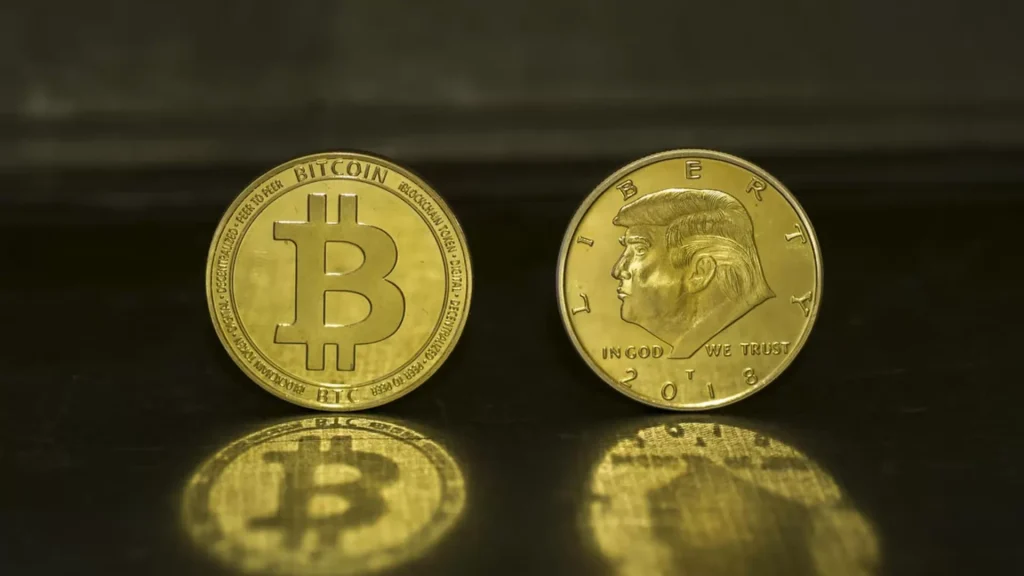
Strategy Adds More Bitcoin as Unrealized Losses Continue to Grow

Strategy has made another Bitcoin purchase, drawing attention due to the timing as the asset continues to trade well below the company’s average cost. Michael Saylor announced that the firm spent about 90 million dollars to acquire 1,142 BTC, increasing its total holdings to 714,644 Bitcoin.

The company has now invested roughly 54.35 billion dollars in Bitcoin at an average purchase price of 76,056 dollars per coin. With Bitcoin trading below 70,000 dollars at the time of the announcement, Strategy’s holdings remain in unrealized loss territory.

Based on recent price action, the purchase appears to have been executed earlier in the week when Bitcoin was trading near 78,800 dollars. Shortly afterward, the asset saw a sharp decline and has not returned to those levels since, raising questions about the effectiveness of the timing despite the firm’s long term accumulation strategy.

The move sparked debate within the crypto community, with some commentators criticizing the decision to buy at higher prices during a period of market weakness. Meanwhile, Strategy’s stock had a strong finish last week, jumping more than 26 percent to 135 dollars. However, MSTR shares slipped nearly 4 percent in pre market trading and remain down about 14 percent over the past month, even after a late week rebound.

Bitcoin Slips Below 70,000 Dollars as WLFI Stands Out During Monday Pullback

Bitcoin failed to hold its recent move higher after briefly touching 72,000 dollars on Sunday and has since pulled back by more than 2,000 dollars. The broader market has weakened alongside BTC, with most large cap altcoins trading lower after modest weekend gains. WLFI and Monero are among the few assets resisting the downturn.

Bitcoin Loses Momentum Again

Bitcoin has seen sharp swings over the past few weeks. At the end of January, it fell from 84,000 dollars to below 76,000 after already retreating from a local high near 90,000. A short lived rebound carried the price to 79,000, but selling pressure soon returned. The decline accelerated late last week, sending BTC down to 60,000 dollars, its lowest level since before the US presidential election in November 2024.

Following the steep drop, Bitcoin rebounded strongly, climbing back to 72,000 dollars on Friday and Saturday. That level proved to be strong resistance, and after another failed attempt on Sunday, the price slid to around 68,000 before settling below 70,000. Bitcoin’s market capitalization now stands near 1.39 trillion dollars, while its dominance remains just above 57 percent.

Altcoins Mostly in the Red

Most major altcoins are under pressure. Ethereum is down about 3 percent and is hovering near 2,030 dollars, close to slipping below the 2,000 mark again. XRP has fallen by a similar amount to around 1.40 dollars, while Binance Coin has dropped to roughly 623 dollars. Solana and Dogecoin are both down around 4 percent, with other tokens posting even steeper losses.

WLFI has been a notable outlier, surging about 8 percent to nearly 0.11 dollars. SKY, LEO, and Monero are also slightly higher, while JUP, ONDO, and ARB have recorded the largest daily declines of up to 8 percent. Overall, the total crypto market capitalization has fallen by roughly 70 billion dollars over the past day to just under 2.43 trillion dollars.

Japan’s Election Weighs on Bitcoin in the Short Term but May Strengthen the Long-Term Case

Japan’s recent election outcome has delivered a clear win for Prime Minister Sanae Takaichi and is already influencing global market dynamics. The ruling bloc secured a two thirds majority in the Lower House on February 8, a result that boosted Japanese equities while placing short term pressure on Bitcoin as capital shifted and liquidity tightened.

Markets reacted quickly, pushing Japanese stocks to record highs as investors priced in stronger fiscal stimulus and a more flexible stance on yen weakness. The Nikkei extended gains, reflecting optimism around reflation and domestic growth. While equities benefited, analysts noted that the outcome was less favorable for Bitcoin in the near term.

Research groups such as XWIN Research described the result as a short term headwind for BTC, pointing to changes in global capital flows and tighter liquidity conditions. Analysts observed that Japanese Government Bonds, long ignored due to ultra low yields, are drawing renewed interest as fiscal expansion raises inflation expectations. This reallocation has coincided with a pullback in US equities, with major indexes posting notable losses over the past week.

A stronger dollar, driven by yen weakness and ongoing interest rate gaps between the US and Japan, has further tightened financial conditions. In such risk off environments, Bitcoin has tended to track US equities, allowing equity driven selling pressure to spill over into crypto markets.

Despite the current weakness, the longer term outlook may be more constructive. Bitcoin is trading below key technical levels and sentiment indicators have fallen sharply, reflecting bear market conditions. However, with a commanding parliamentary majority, Takaichi’s government has greater flexibility to pursue policy reforms. Officials have previously positioned Web3 as a strategic priority, raising expectations that discussions around crypto tax changes and stablecoin regulation could resume. Analysts therefore see Japan’s political shift as a near term drag but a potential long term positive for institutional crypto adoption.

Bitcoin’s Sideways Action May Be a Setup for a Larger Selloff, Analyst Warns

Bitcoin posted a modest rebound of nearly 2 percent during Asian trading hours on Monday after briefly slipping below 70,000 dollars over the weekend. However, several well known analysts believe the recent bounce does not mark the end of the downturn.

Market commentator Doctor Profit argues that Bitcoin has entered a prolonged sideways phase that should not be mistaken for healthy consolidation. Instead, he views it as a structural pause that often appears before a deeper decline in a broader bear market.

According to his analysis, Bitcoin is forming a wide trading range between roughly 57,000 and 87,000 dollars, a zone he expects to contain price action for weeks or even months. He emphasized that this range bound movement signals weakness rather than strength. Drawing comparisons to 2024, he noted that Bitcoin previously spent a year consolidating in a similar range before a major move, warning at the time that those levels would later act as reference points during a bear market.

Doctor Profit believes that once the current sideways phase ends, Bitcoin could break lower and eventually target the 44,000 to 50,000 dollar area. While he is buying spot Bitcoin between 57,000 and 60,000 dollars for short term range trades, he does not see this zone as the final market bottom. He added that any move toward the upper end of the range near 87,000 dollars would be viewed as an opportunity to add short positions, not confirmation of a bullish trend.

Other analysts share a similarly cautious outlook. Filbfilb compared the current setup to the 2022 bear market, pointing out that Bitcoin remains below its 50 week exponential moving average near 95,300 dollars. BitBull echoed the concern, saying that a true market bottom is unlikely until prices fall below 50,000 dollars, leaving many recent ETF buyers underwater.

Three Key Factors That Could Shift Crypto Markets This Week

A packed week on the United States economic calendar could inject fresh volatility into crypto markets, as investors await critical labor and inflation data while broader macro uncertainty remains high.

Crypto prices were largely flat over the weekend following last week’s sharp selloff that wiped roughly 700 billion dollars from the market. With additional economic data releases scheduled, traders are bracing for potential market swings.

US President Donald Trump renewed his call for the Dow Jones to reach 100,000 as stock futures moved higher on Monday. At the same time, precious metals rebounded, with gold climbing back above 5,000 dollars per ounce and silver rising to around 80 dollars.

Key US Economic Data to Watch

The ongoing partial US government shutdown has delayed several economic releases. December retail sales data is expected on Monday, offering insight into consumer spending. Labor market updates follow midweek, with the January jobs report due Wednesday and initial jobless claims on Thursday.

Friday brings the January Consumer Price Index report, a closely watched inflation gauge that tracks changes in the cost of goods and services. Together, these reports play a major role in shaping expectations around Federal Reserve policy and future interest rate decisions. Analysts note that any signs of labor market weakness or easing inflation could accelerate expectations for rate cuts.

Crypto Market Snapshot

The crypto market remained subdued, with total capitalization near 2.45 trillion dollars, its lowest level since November 2024. Bitcoin rebounded to around 71,000 dollars after briefly falling near 60,000, though it remains well below its all-time high. Ethereum recovered above 2,100 dollars but continues to trade deep in bear market territory, while most altcoins remain heavily depressed after last week’s selloff.

BTC Retests $70K as BNB Surpasses XRP in Market Cap

Bitcoin regained strength over the weekend, climbing above $70,000 after a brief rejection on Saturday morning. Most major altcoins are also in positive territory, with Ethereum trading above $2,100 and Solana near $90, while HYPE remains deep in the red.

BTC Price Action

Last weekend saw sharp swings in the crypto market, with Bitcoin dropping from $84,000 to below $76,000 on Saturday before bouncing toward $79,000 on Sunday. Bears regained control through the week, pushing BTC from $77,000 to $60,000 on Friday morning, its lowest level in over a year. The cryptocurrency later rebounded to $72,000 but fell back to $68,000 before climbing past $70,000 again, a 2.3 percent daily increase. Its market capitalization now sits around $1.4 trillion, with dominance just under 57 percent.

BNB Overtakes XRP

Ethereum has recovered nearly $400 since its crash from $2,400 to $1,730 and is now above $2,100. Binance Coin has overtaken XRP to claim the fourth-largest market cap. Solana is approaching $90, while Litecoin, Chainlink, Zcash, and Stellar have posted gains up to 4 percent. In contrast, HYPE has fallen almost 5 percent to below $32. Overall, the total crypto market capitalization has added roughly $80 billion since yesterday, nearing $2.5 trillion.

Crypto VC Booms in Q4 2025 with $8.5 Billion Flowing into Later-Stage Startups

Venture capital investment in crypto and blockchain rebounded sharply in the fourth quarter of 2025, led primarily by large late-stage deals. According to a report by Galaxy Digital’s Alex Thorn, venture capitalists deployed $8.5 billion across 425 deals, representing an 84 percent increase in capital and a 2.6 percent rise in deal count compared with Q3 2025. This marked the strongest quarterly investment in the sector since Q2 2022, though deal volumes remain below 2021–2022 levels.

Late-Stage Deals Dominate

Later-stage startups captured 56 percent of total capital, while early-stage companies accounted for the remaining 44 percent. Eleven deals raised over $100 million each, collectively totaling $7.3 billion, or roughly 85 percent of the quarter’s funding. The largest raises included Revolut at $3 billion, Touareg Group at $1 billion, and Kraken at $800 million, followed by Ripple and Tempo at $500 million each.

Across 2025, crypto and blockchain startups received $20 billion in 1,660 deals, more than double 2023’s total and the highest annual investment since 2022. Trading, exchanges, investing, and lending remained the largest sector, drawing over $5 billion, while stablecoins, AI, and blockchain infrastructure also saw significant capital inflows.

Pre-seed deal activity remained strong at 23 percent of total deals, reflecting ongoing entrepreneurial activity, while later-stage investments continued to rise. Median pre-money valuations reached $70 million, with a median deal size of $4 million, though valuation data was available for only 10 percent of deals, skewed toward larger companies.

Global Distribution

US-headquartered companies captured 55 percent of capital, followed by the United Kingdom at 33 percent, Singapore at 2 percent, and Hong Kong at 1.7 percent. Deal counts followed a similar pattern, with 43 percent in the US, 6 percent in the UK, and 4 percent in Hong Kong.

Fundraising for crypto-focused venture funds reached $1.98 billion across 11 funds in Q4, contributing to a total of $8.75 billion raised for 2025, the largest annual total since 2022. Average fund size increased to $167 million, with a median of $46 million.

South Korea Sentences Crypto CEO in Landmark Case Under New Digital Asset Law

A South Korean court has handed Jong-hwan Lee, CEO of a local crypto asset management firm, a three-year prison sentence for manipulating cryptocurrency prices to gain illegal profits. The Seoul Southern District Court ruled that Lee violated the Virtual Asset User Protection Act, earning roughly 7.1 billion Korean won, equivalent to about 4.88 million dollars, through price manipulation.

Court Decision and Penalties

Along with the prison term, Lee was fined 500 million won, or around 344,000 dollars, and required to forfeit roughly 846 million won, about 581,900 dollars, in criminal gains. He was not taken into custody during the trial due to his good conduct.

The court found that between July 22 and October 25, 2024, Lee used an automated trading program to inflate volumes and carry out repeated wash trades in the ACE cryptocurrency. Daily trading volumes jumped from about 160,000 units to 2.45 million units, with Lee responsible for nearly 89 percent of the activity.

A former employee, Min-cheol Kang, received a two-year prison term with three years probation. While the court confirmed manipulation occurred, it partially acquitted them regarding the 7.1 billion won total due to insufficient evidence.

This case is the first enforcement of South Korea’s Virtual Asset User Protection Act, which took effect in July 2024. Authorities are also investigating other digital asset issues, including the disappearance of Bitcoin estimated at 70 billion won, or 47.7 million dollars, from government-seized holdings.

Aave Founder Buys 22 Million Pound London Mansion as UK Luxury Market Slows

Stani Kulechov, the founder of decentralized finance platform Aave, has purchased a five story Victorian mansion in London for roughly 22 million pounds, or about 30 million dollars. The deal ranks among the most expensive residential transactions in the city over the past year, according to Bloomberg.

High End Purchase in a Cooling Market

The property sits in the prestigious Notting Hill neighborhood and was acquired in November at around 2 million pounds below its original asking price, shortly before the UK government’s autumn budget. The purchase stood out at a time when London’s luxury housing market has been losing momentum. Higher stamp duties and policy changes under the Labour government, including the removal of tax benefits for wealthy overseas residents, have weighed on demand.

Research from LonRes shows that sales of homes priced above 5 million pounds slowed notably toward the end of last year. It is not known whether any digital assets were used in Kulechov’s purchase.

Kulechov launched Aave in 2017 under its original name ETHLend, later rebranding the protocol as Aave. The platform has since become one of the largest DeFi lending networks. He has also been involved in other crypto initiatives, including the GHO stablecoin and consumer focused blockchain products, and has publicly supported the UK as a potential center for crypto innovation.

Brand Simplification Underway

The property purchase comes as Aave Labs refocuses on its core lending business. Earlier this month, the company announced it would retire the Avara umbrella brand, which previously grouped several Web3 projects. Going forward, all products will operate under the Aave Labs name as the firm aims to streamline branding and concentrate on expanding the Aave protocol and its user base.

The move follows ongoing debates around governance and control. While the Aave DAO oversees smart contracts and on chain revenue, Aave Labs retains control over branding and other off chain assets. Discussions around revenue sharing and intellectual property continue within the community.