SEC Clarifies That Most Crypto Assets Are Not Classified as Securities

The United States Securities and Exchange Commission has addressed long standing uncertainty بشأن how crypto assets should be regulated.

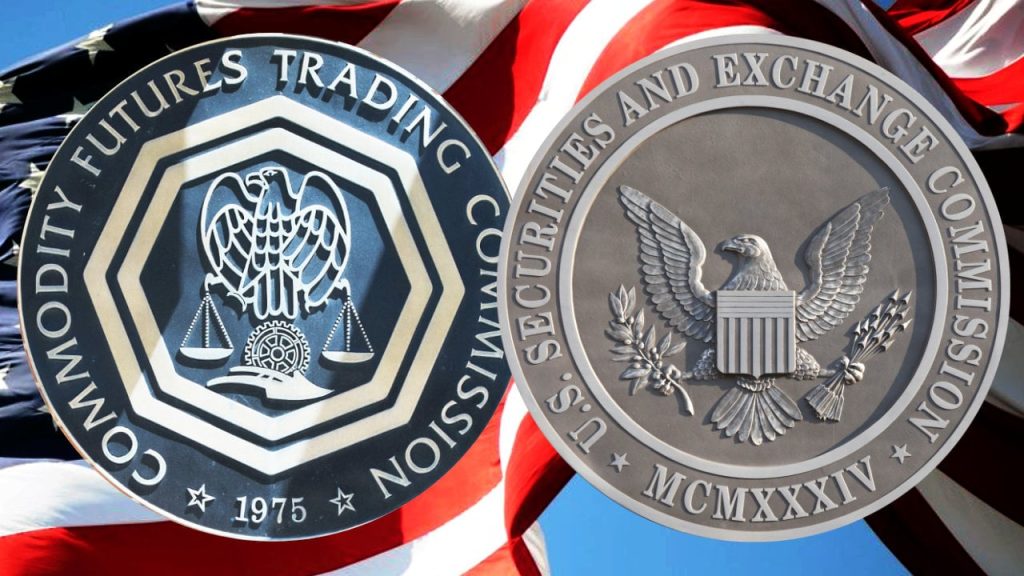
On Tuesday, the SEC released an official interpretation explaining how federal securities laws apply to certain digital assets and cryptocurrency related transactions.

The agency described this move as a significant step toward providing clearer guidance on the regulatory treatment of crypto assets. It also noted that the clarification supports ongoing efforts in Congress to establish a comprehensive legal framework for the market.

The Commodity Futures Trading Commission joined in the interpretation, confirming that it will apply the Commodity Exchange Act to relevant crypto assets.

Majority of Crypto Assets Not Considered Securities

The interpretation introduces a classification system that divides digital assets into five groups, including digital commodities, digital collectibles, digital tools, stablecoins, and digital securities.

A key conclusion from the guidance is that most crypto assets do not fall under the definition of securities, which contrasts with the position held by the previous administration. SEC Chairman Paul Atkins stated that the update recognizes what had previously not been acknowledged, that the majority of crypto assets are not securities.

He added that after years of uncertainty, the new interpretation offers market participants a clearer understanding of how federal securities laws apply to crypto.

CFTC Chairman Michael Selig also emphasized the importance of the development, noting that innovators and entrepreneurs in the United States have long awaited clear regulatory direction. He said the new guidance marks the end of that uncertainty and reflects a commitment to creating a regulatory environment that supports growth in the crypto sector with well defined rules.

The interpretation also provides clarity on common crypto related activities that have existed in uncertain legal territory, such as airdrops, mining, staking, and asset wrapping.

Both regulators described the move as a bridge for entrepreneurs and investors while lawmakers continue working on broader bipartisan legislation to define market structure.

Market Shows Limited Reaction

Despite the positive regulatory development, the crypto market showed little response. Overall market activity declined by about 1 percent over the past 24 hours.

Bitcoin tested the 74,800 dollar level multiple times within a twelve hour period but was unable to break higher, later slipping to around 74,350 dollars.

Ether remained stable within a narrow range, trading near 2,333 dollars during Wednesday morning in Asia.

Performance among alternative cryptocurrencies was mixed, with gains seen in some assets while others recorded losses.#cryptonews#crypto https://coinsignals.net https://t.me/coinsignalpublic

Analyst Says Bitcoin ETF Investors Remain in Loss Despite Renewed Institutional Buying

Bitcoin reached 76,000 dollars on March 17, marking its highest level since early February, as institutional investors continued to channel funds into United States spot exchange traded funds. This extended a recovery phase that followed significant outflows recorded in February.

Despite the renewed demand, analyst Axel Adler Jr. noted a major limitation, pointing out that ETF investors are still carrying an average unrealized loss of about 5,174 dollars. He warned that this could influence price movement as Bitcoin approaches the 80,000 dollar level.

ETF Inflows Improve but Resistance Near 79,962 Dollars Remains Key

In his latest market update, Adler explained that Bitcoin ETF flows have completed what he described as a full cycle over the past month, shifting from heavy selling in mid February to a steady recovery in recent weeks. Between February 15 and 24, the seven day average of net ETF flows remained negative, reaching a low of approximately minus 1,883 Bitcoin per day on February 18.

Around February 25, the trend reversed, with flows turning positive and peaking at about 3,387 Bitcoin per day on March 2. Currently, the seven day average stands near 1,472 Bitcoin per day, while overall liquidity conditions have improved. During this period, total ETF holdings increased by roughly 26,600 Bitcoin, representing a little more than 2 percent growth.

Adler interprets this shift as a return of institutional demand following earlier withdrawals. However, he emphasized that this demand is still below a significant resistance level.

That resistance corresponds to the realized price of ETF investors, which he estimated at 79,962 dollars. This figure reflects the average purchase cost across all ETF participants. With Bitcoin trading slightly above 74,000 dollars after recently hitting a six week high, investors as a group remain at a paper loss of more than 5,000 dollars.

Adler described this gap as a critical structural factor in the current market. As Bitcoin approaches the realized price, more investors move closer to breaking even, increasing the likelihood of selling activity. As a result, he identified the 80,000 dollar range as a zone where upward momentum could slow unless demand is strong enough to absorb additional supply.

Market Faces Crucial Test at 80,000 Dollars

At the time of writing, data from CoinGecko showed Bitcoin gaining more than 5 percent over the past seven days, with similar growth over the last thirty days. The increase reached nearly 9 percent over a two week period. However, performance remains weaker on a yearly basis, with the asset down nearly 11 percent and still more than 41 percent below its all time high.

For now, Adler views the 80,000 dollar level as a decisive point for the market. He stated that a sustained move above 79,962 dollars, combined with consistent ETF inflows exceeding 2,000 Bitcoin per day, would indicate a meaningful shift in market conditions.#crypto#cryptonews https://coinsignals.net https://t.me/coinsignalpublic
Argentina Moves to Block Polymarket Nationwide Over Unauthorized Gambling Concerns

Argentina has taken steps to restrict access to the prediction market platform Polymarket after a court in Buenos Aires ruled that it was operating as an unapproved betting service.

In a decision delivered by Judge Susana Parada, authorities ordered a nationwide block of the website and instructed Google and Apple to either remove or limit access to the app on mobile devices.

Lack of Licensing and Oversight Raises Concerns

The action follows an investigation led by Prosecutor Juan Rozas, who handles gambling related cases in the city. As part of the enforcement process, the telecommunications regulator Ente Nacional de Comunicaciones has been tasked with ensuring that internet providers block access to the platform across the country.

Investigators found that Polymarket enabled users to trade on the outcomes of real world events without following established gambling regulations. According to prosecutors, accounts could be created quickly without proper identity or age verification, allowing unrestricted participation, including by minors.

They also noted that the platform supported payments through cryptocurrencies and credit cards without applying the safeguards required for regulated betting services. The case began after a complaint from the Lotería de la Ciudad de Buenos Aires, which accused the platform of offering services locally without authorization. Further checks with the Asociación de Loterías Estatales de Argentina confirmed that Polymarket does not hold a valid license in any jurisdiction.

The court’s ruling became public during a wider debate surrounding Argentina’s inflation data. Shortly before the national statistics agency INDEC released its February figures, probabilities on global prediction platforms had already shifted toward a higher outcome.

While analysts had projected inflation between 2.6 percent and 2.8 percent, the official figure came in at 2.9 percent. Trading activity on Polymarket related to this data rose to around 91,000 dollars in the minutes before the release, prompting speculation that the figures may have circulated ahead of time.

This situation reflects a broader pattern of increasing regulatory pressure on prediction market platforms. Companies such as Polymarket and Kalshi are facing scrutiny or legal challenges in several regions, including France, Germany, Italy, Australia, Singapore, Portugal, Hungary, Thailand, and the Netherlands.

Concerns Over Misuse of Sensitive Information

Earlier in the year, authorities in Israel charged a military reservist and a civilian for allegedly using classified intelligence to gain an advantage on the platform. A joint investigation by the Defense Ministry, Shin Bet, and national police indicated that confidential operational information may have been used to place highly confident bets on future military events.

Prosecutors filed serious charges including security breaches, bribery, and obstruction of justice, while a court order has restricted further public disclosure of details related to the case.#crypto#cryptonews https://t.me/coinsignalpublic https://coinsignals.net

Long Term Bitcoin Holders Remain Inactive as Declining CDD Multiple Signals Low Selling Pressure

A drop in the Coin Days Destroyed Multiple suggests that older Bitcoin holdings are largely inactive, indicating that long term investors are not selling and overall selling pressure remains limited.

Bitcoin briefly approached 76,000 dollars on Tuesday, reaching a level not seen in six weeks, despite ongoing global uncertainty as the conflict in the Middle East entered its third week.

Figures from Alphractal reveal that Bitcoin’s Coin Days Destroyed Multiple has declined to its lowest point since 2022, showing that older coins are moving very little.

Long Term Investors Continue Holding

Alphractal noted that this metric tracks the intensity of Coin Days Destroyed compared to its historical average, allowing analysts to evaluate whether long term holders are selling more or less actively.

Recent data indicates that older Bitcoin remains mostly untouched, highlighting consistent holding behavior among experienced investors.

The analysis also suggests that many of these holders had already sold portions of their assets at higher price levels, leaving the current market largely driven by newer circulating supply. The low reading of the metric further reflects reduced selling pressure from older holdings.

In past cycles, similar low levels have been linked to consolidation periods, where limited activity from long term holders often comes before major market moves.

At the same time, data from Santiment shows a strong increase in market optimism during Bitcoin’s recent price movement. Fear of missing out has climbed to its highest level since January 2, with social media activity this week showing a bullish to bearish comment ratio of 1.67 across platforms including X, Reddit, and Telegram. Positive sentiment has clearly outweighed negative views.

Additional data indicates that buyer activity is beginning to recover after significant selling in February. Despite rising geopolitical tensions and expectations that the Federal Reserve will keep interest rates unchanged at the upcoming FOMC meeting, CryptoQuant reports that Bitcoin has remained relatively resilient compared to traditional assets such as equities and commodities.

Buyers Gradually Regain Control

Data from Binance and Coinbase shows a gradual shift in trading volume toward buyers. On February 16, the 30 day average volume delta was strongly negative, standing at minus 145 million dollars on Binance and minus 88 million dollars on Coinbase, reflecting widespread selling from both retail and institutional participants. This has since turned positive, reaching approximately 21 million dollars and 14 million dollars respectively.

Although this marks a notable improvement, analysts caution that overall liquidity is still low, and the trend requires further confirmation before it can fully support a sustained price increase.#crypto#cryptonews https://t.me/coinsignalpublic https://coinsignals.net

Bitcoin May Benefit as Central Banks Signal Stable Interest Rates

Economists expect inflation in the United Kingdom to reach between 3 percent and 4 percent by the end of 2026, which could make it difficult for central banks to lower interest rates anytime soon.

Central banks in the United States, the United Kingdom, and the European Union are preparing to announce their upcoming rate decisions, and market expectations suggest that rates will remain unchanged across all regions.

This lack of policy movement has led some analysts to argue that Bitcoin could become more attractive as a neutral store of value. Its recent performance against the euro and the US dollar reflects this growing appeal.

Central Banks Likely to Maintain Current Rates as Inflation Concerns Persist

A series of rate announcements scheduled between March 18 and March 21 has created uncertainty in global markets. Lacie Zhang, a research analyst at Bitget Wallet, explained that policymakers in the United States, the United Kingdom, and the eurozone are expected to keep rates steady due to rising oil prices driven by ongoing tensions in the Middle East.

She noted that this situation is already influencing cryptocurrency markets.

Zhang stated that the Bank of England is expected to maintain its rate at 3.75 percent, while the European Central Bank is likely to hold at 2 percent. Both institutions appear inclined to remain cautious rather than making significant increases or reductions.

She also pointed out that this uncertainty has supported Bitcoin’s strength against the euro, with the asset remaining above 65,000 euros. This trend suggests that more institutions are turning to cryptocurrency as protection against instability in traditional currencies.

This outlook aligns with recent reports indicating that the Bank of England may keep its benchmark rate unchanged due to rising inflation risks linked to higher energy costs from the Middle East conflict. Economists predict that inflation in the United Kingdom could climb to between 3 percent and 4 percent by late 2026, making near term rate cuts more challenging.#crypto#cryptonews https://t.me/coinsignalpublic https://coinsignals.net

Mastercard Expands Crypto Strategy With 1.8 Billion Dollar Acquisition of BVNK

Mastercard has strengthened its push into digital assets by acquiring BVNK in a deal valued at 1.8 billion dollars, which includes up to 300 million dollars in additional contingent payments.

This development follows another major move from the previous week, when Mastercard partnered with leading crypto firms such as Ripple, Binance, PayPal, and Circle to strengthen the connection between traditional finance and blockchain technology.

Focus on Real World Payment Use Cases

According to Mastercard, the acquisition will enhance its ability to support digital asset transactions across currencies, payment systems, and global markets. The company plans to focus on practical applications such as cross border remittances, business to business payments, and global payouts, where stablecoins are gaining traction as faster and more efficient alternatives.

The firm noted that a key challenge lies in integrating crypto native systems into existing financial infrastructure, despite the sector’s rapid growth. By combining Mastercard’s network, which operates in more than 200 countries, with BVNK’s blockchain technology, the company aims to deliver secure, compliant, and scalable payment solutions.

Chief Product Officer Jorn Lambert stated that many financial institutions and fintech companies are expected to adopt digital currency services over time, whether through stablecoins or tokenized deposits. He emphasized that Mastercard intends to provide a high quality and interoperable system that brings the advantages of tokenized money into everyday use.

BVNK chief executive Jesse Hemson-Struthers described the acquisition as a major step for the industry, adding that it will help shape the future of money by combining complementary technologies and expertise.

Growing Momentum in Crypto Adoption

Mastercard said the deal aligns with its broader expansion into digital assets, including the recent launch of its Crypto Partner Program. As part of that initiative, the company has collaborated with major players such as Binance, Gemini, Paxos, Circle, and Ripple, along with PayPal.

The initiative is designed to create a flexible infrastructure that works across multiple blockchain networks, allowing clients to operate seamlessly without being tied to a single ecosystem.#crypto#cryptonews https://coinsignals.net https://t.me/coinsignalpublic

Zcash and MemeCore Jump Sharply as Bitcoin Reaches 76,000 Dollars

Bitcoin extended its recent rally and climbed to 76,000 dollars, marking a new local high before encountering resistance. At the same time, several altcoins posted even stronger gains, while Pi Network continued to decline, briefly falling below 0.18 dollars earlier today.

Bitcoin Climbs to New High Before Pullback

After dropping to 65,600 dollars last Monday, Bitcoin rebounded as bullish momentum returned to the market. By midweek, the asset approached 70,000 dollars but initially faced resistance following the release of United States inflation data.

Momentum strengthened toward the end of the week, allowing Bitcoin to break above that level and reach around 74,000 dollars. Over the weekend, rising geopolitical tensions involving the United States, Israel, and Iran pushed the price back to just above 70,000 dollars.

As the new week began, buyers regained control. Within less than a day, Bitcoin surged again and reached 76,000 dollars, its highest level since early February. After gaining more than 5,000 dollars in a short period, the asset experienced a slight correction and settled near 74,000 dollars.

Its market capitalization is now close to 1.48 trillion dollars according to CoinGecko, while its dominance over altcoins remains below 57 percent.

Altcoins Post Strong Gains

Ethereum briefly approached 2,400 dollars before stabilizing above 2,300 dollars following a modest daily increase. XRP is trading around 1.50 dollars after a similar rise and has moved ahead of BNB in terms of market capitalization.

Other notable performers include Hyperliquid, which climbed above 40 dollars, and Core, which is trading above 0.15 dollars.

Among the standout gainers, Zcash and MemeCore surged by about 16 percent, reaching 270 dollars and 1.72 dollars respectively. Smaller assets such as SIREN, Fetch.ai, and HashAI also recorded double digit gains.

In contrast, Pi Network continued its downward trend, losing around 10 percent of its value over the past day and trading near 0.18 dollars.

Overall, the total cryptocurrency market capitalization has increased by about 30 billion dollars and now stands slightly above 2.6 trillion dollars, based on data from CoinGecko.#crypto#cryptonews https://coinsignals.net https://t.me/coinsignalpublic

OpenSea Postpones SEA Token Launch Amid Challenging Market Conditions

OpenSea has delayed the launch of its highly anticipated SEA token, which was originally scheduled for March 30. Chief executive Devin Finzer confirmed the decision, citing difficult conditions across the cryptocurrency market.

Finzer explained that token launches are significant one time events, and the company prefers to ensure everything is fully prepared rather than rushing the process.

SEA Token Launch Rescheduled

The delay follows a decision by the OpenSea Foundation to extend the timeline. Finzer noted that while the move may disappoint users, it was made to deliver a better overall experience.

He stated that the Foundation had the option to proceed with the original date but instead chose to wait until every aspect of the project is ready to meet community expectations.

As part of the update, OpenSea announced changes aimed at maintaining user engagement. The current rewards phase will be the final one, and the platform is offering optional refunds for fees collected during reward waves three through six.

Users who choose refunds will lose their Treasures, which are rewards earned during those phases. However, Treasures that remain in user accounts will still be considered during the token generation event, regardless of past allocation activity.

To encourage continued activity, the platform will introduce a temporary fee reduction. Starting March 31, trading fees for tokens will be set to zero for 60 days across various features, including cross chain transactions, the mobile app, and perpetual trading. After this period, a new fee structure will be introduced with more competitive rates for regular users.

Although the March 30 launch event has been canceled, OpenSea plans to host a future session focused on product updates. Finzer added that early feedback on the platform’s mobile application has been largely positive.

Past Challenges and Controversies

The postponement comes after earlier issues faced by the platform. In February, OpenSea halted its airdrop reward system following strong user criticism. The feature, introduced with the OS2 beta, used an experience points system intended to qualify users for the SEA token distribution.

However, critics argued that the system encouraged practices like wash trading, prioritized fee generation over genuine ecosystem growth, and raised concerns about the long term sustainability of NFTs.

Before that, a 2022 data breach exposed around 7 million email addresses through a third party provider, including those linked to prominent figures such as Changpeng Zhao of Binance.#crypto#cryptonews https://coinsignals.net https://t.me/coinsignalpublic
Ripple Expands Strongly in Brazil With Institutional Services and VASP License Application

Ripple has strengthened its footprint in Brazil by rolling out key services in the local market, including cross border payments and digital asset custody. This expansion follows recent developments in Australia, the United States, and Canada.

In an announcement made on March 17, the company said it now offers a comprehensive solution in the region that supports institutions across a wide range of financial needs. These include payments, custody, prime brokerage, and treasury management.

As part of its strategy, Ripple has also applied for a Virtual Asset Service Provider license with Brazil’s central bank. This step aligns with the country’s newly introduced crypto regulatory framework and reflects the company’s long standing focus on compliance in global markets.

Company President Monica Long emphasized the importance of Latin America, noting that Brazil has developed one of the most advanced and forward looking financial ecosystems globally. She added that Ripple’s years of building trust, securing licenses, and developing technology now position it to support institutions across the region with modern financial solutions.

Brazilian Institutions Adopt Ripple Services

Ripple stated that its custody offering will deliver high level security, real time compliance monitoring, and flexible deployment options for regulated institutions in Brazil. Firms such as CRX and Justoken are already making use of these services.

At the same time, Ripple Payments, which has processed more than 100 billion dollars globally, is being used by institutions including Banco Genial, Braza Bank, Nomad, Azify, ATTRUS, and Frente Corretora.

The company also noted that its enterprise stablecoin RLUSD is gaining strong adoption across Latin America, as institutions seek reliable and regulated digital dollar solutions. The stablecoin’s market value has surpassed 1.5 billion dollars in less than 18 months since launch.

In Brazil, RLUSD has been adopted by major exchanges and fintech platforms such as Mercado Bitcoin, Foxbit, Ripio, along with Braza Bank and Banco Genial.

This expansion in Brazil builds on Ripple’s broader global push, following its move to secure regulatory approval in Australia and its growing presence in North American markets.#crypto#cryptonews https://coinsignals.net https://t.me/coinsignalpublic

XRP Ledger Reaches Record Wallet Count as XRP Price Climbs 14 Percent in Two Days

The XRP Ledger has achieved a new milestone, recording more than 7.7 million non empty wallets, the highest level in its 13 year history, according to data from Santiment.

This surge in network activity coincided with a 14 percent increase in the price of XRP over a 48 hour period, briefly pushing the token above 1.60 dollars, its highest level in several weeks.

Network Activity and Price Movement

Santiment data also shows that active addresses on the XRP Ledger rose to a five week high of 46,767. At the same time, XRP’s price climbed from a weekly low of 1.37 dollars to a 24 hour peak of 1.60 dollars before easing slightly to trade around 1.52 dollars.

At current levels, XRP is up about 10 percent over the past week, outperforming the broader crypto market, which has gained just over 6 percent during the same period, based on data from CoinGecko.

Despite this recent strength, XRP remains more than 58 percent below its all time high of 3.65 dollars recorded in July 2025. Over longer periods, performance is still negative, with a decline of nearly 36 percent over the past year and a slight drop of about 0.5 percent over the last 30 days.

On March 16, analyst CW highlighted the 1.50 dollar level as a major selling barrier for XRP, noting that a decisive move above it could open the path toward 1.95 dollars. Another analyst, CryptoWZRD, previously identified 1.43 dollars as an important level, suggesting that a break above it could support a broader recovery.

Exchange Reserves Increase

Additional insights from Arab Chain show that XRP reserves on Binance have reached their highest level since late last year.

These reserves had been declining steadily over recent months, falling from more than 2.8 billion XRP in November 2025 to around 2.55 billion XRP in February 2026. This earlier decline suggested that investors were moving their holdings off exchanges into private wallets or cold storage for long term holding.

In recent weeks, however, the trend has reversed, with reserves climbing back toward 2.7 billion XRP. Analysts believe this may reflect renewed trading activity or a redistribution of liquidity within the market.

They added that rising exchange reserves are often seen as a sign of increasing available supply in the spot market, as more tokens become accessible for immediate trading.#crypto#cryptonews https://coinsignals.net https://t.me/coinsignalpublic