U.S. Action Against Iran Triggers Debate on Bitcoin Hashrate and Market Resilience

Fresh US strikes on Iran have reignited discussion about the country’s role in Bitcoin mining and whether potential infrastructure damage could disrupt the network.

The debate gained traction after a viral post on X claimed Iran operates a one billion dollar mining sector that could be severely impacted if military action intensifies. The claim quickly divided crypto commentators between those warning of a temporary hashrate shock and others dismissing the concerns as overstated.

Iran’s Mining Presence Under Scrutiny

Independent analyst Shanaka Anslem Perera argued that Iran mines Bitcoin at an estimated cost of 1,320 dollars per coin due to heavily subsidized electricity, then sells near market prices around 68,000 dollars. He alleged that roughly 700,000 mining machines consume about 2,000 megawatts daily and suggested that some operations are linked to the Islamic Revolutionary Guard Corps.

Perera also claimed that Bitcoin enables Iran to convert sanctioned energy resources into liquid capital beyond the reach of traditional systems such as SWIFT.

Data from Chainalysis showed that Iran’s total crypto activity surpassed 7.78 billion dollars in 2025. Addresses tied to networks facilitating IRGC related transactions reportedly received more than 3 billion dollars last year, with activity often rising during periods of political or military tension.

However, critics challenged the mining cost estimates. Analyst Dasha called the 1,320 dollar production figure inaccurate, arguing that it relies on unrealistic household electricity rates that are not sustainable due to power shortages and rolling blackouts.

Network Resilience in Focus

Others downplayed the broader risk to the Bitcoin network. Some observers noted that even if Iran controlled 5 percent of global hashrate and it went offline, the network would continue operating without major disruption.

Supporters of that view pointed to earlier incidents in the United States, where severe winter storms temporarily forced major Texas mining operations offline. Despite a sharp drop in hashrate over a short period, the network continued to function as designed.

Perera countered that a targeted air campaign damaging power infrastructure could have a more lasting effect than temporary grid strain. He argued that if electricity generation were reduced by 30 to 50 percent, Iran’s estimated 2 to 5 percent share of global hashrate could disappear within days. Such a drop could slow block production until the next difficulty adjustment and potentially push transaction fees higher.

Still, others emphasized that Bitcoin has endured far larger disruptions. In 2021, China removed more than half of global hashrate after banning mining, yet the network quickly stabilized as miners relocated.

For now, the discussion highlights Bitcoin’s adaptive design. While localized disruptions may create short term volatility, historical precedent suggests the network can absorb significant shocks without long term structural damage.


Is the Bottom Still Ahead? CryptoQuant Highlights Deep Bitcoin Deleveraging

Fresh analysis from CryptoQuant suggests that Bitcoin is undergoing a significant deleveraging process, yet the market may not have reached the ultimate low of the current bear cycle.

Although conditions have cooled and speculative excess is being flushed out, key derivatives metrics imply that a full capitulation event has not yet taken place.

CME Basis Signals Cooling but Not Capitulation

One of the primary indicators cited in the report is compression in the Bitcoin basis on the Chicago Mercantile Exchange. The CME basis represents the premium investors are willing to pay for leveraged long exposure through futures contracts.

Since 2025, the yield curve has been trending downward in a pattern similar to those seen ahead of the 2019 and 2022 bear markets. This compression reflects declining demand for leveraged long positions, as traders grow more cautious and less willing to pay elevated premiums for future exposure.

However, the curve remains positively sloped. Longer dated futures contracts continue to trade above spot prices and short dated contracts. Historically, major cycle bottoms have formed only after the yield curve flipped negative into backwardation, signaling intense stress and aggressive deleveraging. That shift has not yet occurred.

The current structure indicates fading bullish conviction and a more neutral to bearish backdrop. It also suggests that price rallies could face continued resistance until a clearer cyclical low is established.

Open Interest Collapse Mirrors Prior Bear Market

Additional evidence of a reset in positioning can be seen in the sharp decline in futures open interest. CME Bitcoin futures open interest has fallen approximately 47 percent from its 2025 peak, closely matching the 45 percent drop recorded during the 2022 bear market.

Such a steep reduction points to a widespread unwind of leveraged positions following a period of heightened speculation. The drawdown reflects extended liquidations, reduced speculative appetite, and lower hedging activity. This is consistent with a prolonged deleveraging cycle rather than a sudden panic driven capitulation.

A Mid Cycle Bearish Regime

When viewed together, declining open interest and a still positive yield curve suggest the market is in a consolidative or mid cycle bearish phase. Leverage is being reset gradually, but the acute stress conditions that typically mark definitive bottoms have yet to materialize.

In previous cycles, durable lows emerged only after deeper structural shifts in derivatives positioning. Until those signals appear, the data implies that further downside or extended consolidation remains possible before Bitcoin establishes a lasting bottom.

Altcoins Slide After Trump Confirms US Role in Iran Strikes as Bitcoin Drops to 63k

Crypto markets turned sharply lower over the weekend after Israel carried out strikes on Iran and US President Donald Trump confirmed American involvement.

Bitcoin Under Pressure

Bitcoin had already experienced a turbulent week. After falling to 62,500 earlier in the week, it rebounded to 70,000 on Wednesday, only to lose momentum again. Following the latest geopolitical escalation, BTC fell below 62,800 before stabilizing near 63,400.

Bitcoin’s market capitalization has slipped to roughly 1.275 trillion dollars, while its dominance has dipped below 56 percent.

Altcoins Hit Hard

Losses across altcoins have been widespread. Ethereum has dropped to around 1,850, shedding about 200 dollars in recent days. BNB moved ahead of XRP in market capitalization after XRP declined around 9 percent. Solana has fallen below 80 following double digit losses.

Additional steep declines have been recorded in ADA, HYPE, BCH, DOGE, LINK, and XLM. KCS, PIPPIN, and STABLE are among the worst performers, posting losses of up to 20 percent. Gold backed stablecoins have been one of the few segments showing gains.

More than 100 billion dollars has been wiped from the total crypto market capitalization over the past 24 hours, pushing it well below 2.3 trillion dollars.

BREAKING: Bitcoin Falls Under 64,000 as Israel Launches Strike on Iran

Bitcoin dropped sharply below 64,000 dollars on Saturday after reports emerged that Israel carried out what officials described as a preemptive strike against Iran.

Israeli Defense Minister Israel Katz declared a state of emergency, warning that retaliation from Iran could follow, potentially involving drones and other forms of attack. The rapid escalation in geopolitical tensions triggered immediate volatility in crypto markets, which remain open over the weekend while traditional financial markets are closed.

Within minutes of the news, Bitcoin fell from around 66,000 dollars to approximately 63,600 before stabilizing near 64,000. The asset has now declined by more than 4,000 dollars since being rejected at 68,000 the previous day. Earlier in the week, Bitcoin briefly touched 70,000 after rebounding from a recent low near 62,500.

Altcoins mirrored the turbulence, with many posting losses of 2 percent or more in a short span. Liquidations surged as a result, reaching about 450 million dollars over the past 24 hours, including roughly 185 million dollars wiped out within a single hour.

The sharp reaction underscores how sensitive crypto markets remain to sudden geopolitical developments.

Jack Dorsey Cuts 4,000 Jobs at Block as Company Shifts Toward AI Focus

Jack Dorsey revealed that Block, Inc. will reduce its workforce by more than 4,000 employees, lowering total staff from over 10,000 to under 6,000. The decision marks one of the most significant restructurings in the company’s history.

In a public message shared on X, Dorsey described the move as one of the toughest choices the firm has faced. Employees were informed the same day whether they would be departing, entering consultation, or remaining with the company.

Restructuring Tied to AI Strategy

Dorsey explained that the cuts are not the result of financial trouble, emphasizing that the business remains solid. Instead, he pointed to rapid changes driven by artificial intelligence tools and a shift toward smaller, flatter teams. According to him, these developments are reshaping how companies are built and operated.

Affected staff will receive 20 weeks of pay plus an additional week for each year of service, equity vesting through the end of May, six months of healthcare coverage, their company devices, and 5,000 dollars to assist with their transition. International employees will receive comparable packages adjusted for local regulations.

Dorsey said he considered implementing gradual reductions but opted for a single large round of cuts to avoid prolonged uncertainty and repeated disruption. He acknowledged that some decisions may later prove imperfect but stressed the need to adapt quickly.

Debate Over Over Hiring and AI Impact

The announcement sparked mixed reactions online. Some observers viewed the severance terms as generous, while others questioned whether the layoffs were truly driven by AI or by earlier hiring decisions. Critics noted that Block expanded rapidly during the pandemic, growing from about 3,900 employees in late 2019 to more than 12,500 by the end of 2022.

Responding to these comments, Dorsey admitted that the company had over hired during that period. Additional criticism focused on the optics of linking job cuts to artificial intelligence, especially as Block’s shares rose sharply in post market trading following the news.

The restructuring reflects a broader shift within the tech sector, where companies are reassessing staffing levels as AI tools become more integrated into daily operations.

Analyst Says Deeply Negative Funding Rates May Signal Bitcoin Rebound

Perpetual funding rates for Bitcoin have turned negative across major exchanges, indicating that short sellers are paying to maintain bearish positions and that downside sentiment currently dominates derivatives markets.

In a February 27 update, analyst Amr Taha highlighted that funding rates moved below zero on Binance, OKX, and Bybit. Negative funding means shorts are compensating longs, typically reflecting crowded bearish positioning.

While this setup often aligns with pessimism, Taha argues that extreme short exposure can create conditions for a short squeeze. Liquidation heat map data shows significant leveraged positions sitting above the current price, including clusters originating near 92,000 dollars. If Bitcoin moves higher, forced closures of these shorts could intensify upward momentum.

Taha noted that improving macro conditions would increase the likelihood of a near term recovery, adding that heavy short positioning combined with negative funding has historically preceded sharp reversals, though it does not guarantee direction on its own.

Retail participation also appears to be rising. A contributor from CryptoQuant observed that trading activity among smaller investors has climbed above its one year average, suggesting renewed engagement after a cautious period.

On the flow side, Taha reported roughly 1,700 BTC in net inflows from medium term holders known as Octopus wallets into Binance. A larger 5,000 BTC inflow earlier in February preceded a sharp decline, but the current movement is more moderate and may carry less bearish weight.

Bitcoin briefly tested 70,000 dollars on February 26 before slipping back into a range between 66,600 and 68,600 dollars, according to CoinGecko. Analysts at Glassnode say that although price action has stabilized, the broader market has yet to show clear signs of recovery.

At the time of writing, Bitcoin is trading just under 68,000 dollars. It is slightly lower over the past 24 hours, flat on the week, down nearly 24 percent over the past month, and remains about 46 percent below its October 2025 all time high.

Buterin Sells ETH, Bitcoin Fails at 70K, XRP Spot Demand Climbs: Weekly Crypto Overview

This week delivered sharp swings across the crypto market, even though total capitalization remains near 2.36 trillion dollars, roughly unchanged from last Friday.

Bitcoin began the week under pressure, sliding from above 67,000 dollars to near 64,000 before briefly dipping below 63,000. Sentiment weakened significantly, reflecting broad pessimism across the market.

Then came a sudden reversal. Bitcoin surged from 63,000 to 70,000 dollars in less than two days, sparking hopes of a sustained rebound. However, the move quickly lost momentum. Sellers stepped back in, pushing BTC down to just above 66,000 dollars. The Crypto Fear and Greed Index still signals extreme fear, indicating that traders remain unconvinced about a lasting recovery.

On the Ethereum side, co founder Vitalik Buterin continued reducing his holdings. His total sales have reached about 18,700 Ethereum, exceeding his previously stated plan to sell 16,384 ETH to support open source development, privacy initiatives, and critical infrastructure projects.

Meanwhile, XRP showed signs of improving spot demand. Bitrue reported a 212 percent rise in XRP spot buying on February 26, largely tied to ETF related inflows. Although price action has not yet reflected this increase, the shift could point to changing market structure.

Overall, the week began with heavy losses, shifted briefly into optimism, and ultimately returned to where it started. Weak sentiment continues to dominate, a pattern often seen in bear markets. The coming week will determine whether buyers can regain control or if pressure persists.

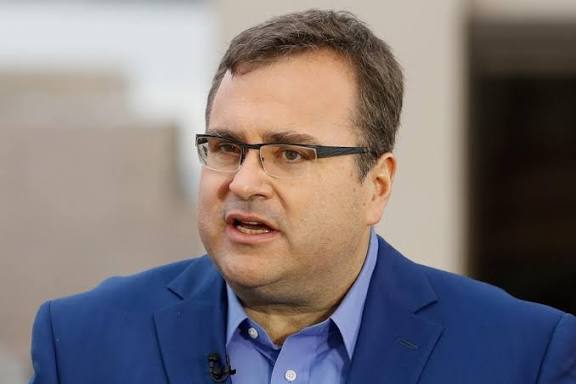
Reid Hoffman’s 6.1 Million Dollar Ethereum Bet Revealed

Reid Hoffman, venture capitalist and co founder of LinkedIn, holds a sizable position in Ethereum, according to data from Arkham Intelligence. Public wallet information shows roughly 6.1 million dollars in ETH attributed to him. He also owns a CryptoPunk NFT acquired for 150 ETH late last year.

Early Crypto Backer

Hoffman has supported digital assets for years. In 2014, through Greylock, he led a Series A investment in Xapo, a firm focused on Bitcoin custody and wallets. At the time, he described Bitcoin as a potentially transformative technology, viewing it as an asset comparable to digital gold, a new transactional layer for the internet, and a foundation for innovative financial applications.

In August 2023, Hoffman announced he would step back from serving as a general partner in Greylock’s future funds, choosing instead to remain involved as a venture partner.

Diverging Paths From PayPal Alumni

While Hoffman appears to favor Ethereum, his former PayPal colleague Elon Musk has leaned toward Bitcoin. Both Tesla, Inc. and SpaceX collectively hold about 1.3 billion dollars in Bitcoin on their balance sheets.

Earlier this week, Bitcoin and Ethereum briefly moved higher following renewed optimism sparked by remarks from Donald Trump. However, both assets edged lower on Friday as broader technology stocks weakened.

Institutional activity has also remained active. Data indicates that SpaceX transferred more than 1,000 BTC to Coinbase Prime in late 2025, fueling speculation tied to a potential public offering. Meanwhile, planned token sales by Ethereum co founder Vitalik Buterin have drawn attention, though the market response has remained relatively muted.

Insider Access Scandal at Axiom: Allegations of Data Misuse and Targeted Trading

Crypto investigator ZachXBT has accused a staff member at Axiom Exchange of misusing internal access to confidential user data.

In a series of posts, he identified the employee as Broox Bauer and alleged that, beginning in early 2025, Bauer used internal tools to search private wallet details and monitor user activity for trading advantages.

Alleged Misuse of Internal Systems

Axiom, founded in 2024 by Mist and Cal and later part of Y Combinator’s Winter 2025 cohort, reportedly grew rapidly and generated more than 390 million dollars in revenue. ZachXBT said he was brought in to independently examine misconduct claims after receiving tips.

According to the investigator, Bauer, described as a senior business development employee based in New York, claimed during a recorded private group call that he could identify and track any Axiom user through referral codes, wallet addresses, or user IDs. In the audio, he allegedly stated he could uncover extensive information about specific individuals.

ZachXBT further alleged that Bauer initially examined between 10 and 20 wallets before expanding the scope gradually to avoid attracting attention. He also reportedly outlined procedures for others to request user lookups and said he would provide a complete list of wallets.

In April 2025, Bauer allegedly shared a screenshot from Axiom’s internal dashboard that displayed private wallets tied to a trader identified as Jerry. In August 2025, he is said to have shared another image showing registration details and linked wallets for a trader known as Monix. During the same period, he reportedly discussed investigating users who had traded the meme coin AURA.

ZachXBT claims that members of the group compiled a Google Sheet listing wallet addresses of several key opinion leaders. The spreadsheet allegedly included data sourced from Axiom’s internal dashboard. According to the investigator, multiple individuals named in the document were contacted and confirmed that the wallet information attributed to them was accurate.

The allegations have raised serious concerns about internal data controls and the potential misuse of privileged access within crypto trading platforms.

20,000 Strong as Bitcoin Whale Wallets Approach Key Level While BTC Holds Near 68,000

Bitcoin has nearly erased its weekly losses after rebounding toward 68,000 dollars. Meanwhile, on chain data shows continued growth in large holder wallets, suggesting Bitcoin is spreading across a wider group of major investors.

According to Santiment, the number of wallets holding at least 100 Bitcoin is close to surpassing 20,000. At current prices, each of these wallets controls roughly 6.8 million dollars or more. Such addresses are typically associated with high net worth individuals, funds, institutions, or long term holders.

Santiment noted that rising whale wallet counts during or after price pullbacks can be viewed as constructive. However, the total share of Bitcoin supply held by major stakeholders has not increased significantly. This suggests that coins are being distributed among more large holders rather than becoming more concentrated within a small group.

While ownership remains concentrated in stronger hands compared to smaller retail wallets, the data does not yet show a decisive expansion in overall whale controlled supply. Historically, increases in large wallet numbers have often aligned with accumulation phases that later supported recoveries, but stronger confirmation would require a clear rise in the percentage of supply held by these entities.

Bearish Risks Persist

Despite these on chain developments, some analysts remain cautious. Market commentator Willy Woo believes the recent wave of selling may be largely exhausted, allowing Bitcoin to consolidate for several weeks or potentially test the mid 70,000 dollar range. However, he expects any upward move to face resistance given the broader bearish environment.

Woo argues that both spot and futures liquidity conditions remain weak, and he has not observed sustained rallies when both areas show deterioration. In his view, the bearish phase could extend into late 2026, with stronger bullish momentum possibly returning in 2027.

He outlined 45,000 dollars as a typical bear market floor, with 30,000 dollars as a secondary support level if global macro conditions worsen, and 16,000 dollars as a deeper fallback scenario.

Another market commentator known as Doctor Profit has also warned that although the sharpest phase of the decline may have passed, further downside cannot be ruled out.