Santiment Reports Steady Solana Network Growth Despite Market Pressure

Recent data from Santiment indicates that new wallet creation on the Solana network continues to rise even as prices decline, suggesting that user interest has not completely faded alongside weakening sentiment.

The native token of Solana, SOL, is currently trading near 84 dollars after a prolonged multi month decline that wiped out nearly 67 percent of its value from its September 2025 all time high. On chain metrics and community discussions reflect a network facing operational and market challenges.

These contrasting trends highlight a divide between declining price action and activity indicators that imply users are still engaging with the blockchain.

Security Concerns and Infrastructure Strain

In a February 19 update, Santiment pointed to a major source of frustration within the Solana community stemming from a security scare in January. Client maintainers urged validators to upgrade to Agave or Jito version 3.0.14 after revealing vulnerabilities that could potentially crash nodes and compromise consensus.

Tim Garcia of the Solana Foundation encouraged operators to update promptly. At the time, reports indicated that more than half of validators were still running older software versions, leaving the network exposed to possible risks.

Operational concerns resurfaced in February when a network disruption caused United States traffic to be rerouted through Europe and Asia. Although infrastructure providers such as DoubleZero described this rerouting as a standard internet practice, even minor latency issues can have meaningful consequences for a high speed blockchain network.

These incidents have drawn greater scrutiny toward how efficiently Solana’s decentralized validator set can respond during periods of stress, since validator coordination directly impacts uptime and the security of funds flowing through decentralized finance applications.

Market uncertainty has weighed on SOL’s price. Earlier in the month, the token dropped 25 percent in a single week to roughly 96 dollars. Analyst Ali Martinez cautioned that if the 100 dollar level fails to hold, the price could decline toward 74 dollars or potentially even 50 dollars.

At the time of writing, SOL trades around 84 dollars. The token is down approximately 35 percent over the past month and more than 51 percent compared with the same period last year. Short term data from CoinGecko shows modest recovery, with gains of about 3 percent over the past 24 hours and roughly 6 percent over the previous seven days.

Technical signals remain divided. Some traders argue that a break near the 80 dollar mark confirmed a bearish pattern, while others believe that if resistance levels are cleared, the price could rebound toward 114 dollars. Santiment also noted deeply negative funding rates, indicating that many traders are positioning against SOL. Historically, such conditions have sometimes preceded short squeezes.

Growing Activity Amid Cooling Hype

Despite ongoing price pressure, Santiment observed an increase in daily wallet creation throughout February. This metric measures new addresses interacting with the network and suggests continued user engagement even as overall sentiment softens.

Exchange flow data reveals that outflows have exceeded inflows in recent weeks. This pattern may indicate that some holders are transferring tokens off exchanges rather than preparing to sell.

Even so, the current atmosphere differs from previous cycles that shaped Solana’s identity. Santiment reports that traders still reference earlier phases marked by NFT surges, meme coin launches, and exchange related turmoil that once dominated online conversations.

In a more recent development, app builder Zora moved a new product from Base to Solana and set a fee of about 1 SOL per creation. The decision sparked debate over incentives while also signaling sustained developer interest in the ecosystem.

Overall, Solana presents a complex picture. Prices and online enthusiasm have declined since late 2025, yet rising wallet creation, active development, and heavily shorted market positioning suggest that network participation remains intact.


Inside Vitalik Buterin’s Wallet: How Much Ethereum Does He Actually Hold?

Ethereum co-founder Vitalik Buterin currently owns over 240,000 ETH, valued at roughly $467 million according to blockchain intelligence platform Arkham. While institutional players and exchange wallets dominate overall ETH holdings, Buterin remains the largest accessible individual Ethereum holder.

Arkham’s February 17 report analyzed his portfolio in detail. Buterin’s Ethereum balance has steadily declined from 662,810 ETH in December 2015, which represented 0.91% of total supply, to 240,010 ETH today, or about 0.20% of all ETH in circulation. This decrease reflects both occasional sales and inflationary increases in the network’s supply. Beyond Ethereum, he holds smaller positions in other tokens, including 10 billion WHITE worth $1.16 million, 30 billion MOODENG valued at $442,000, 869,509 KNC, and approximately $11,000 in TORN, associated with his donations through Tornado Cash.

Recent on-chain activity shows Buterin actively aligning his holdings with public commitments. In late January 2026, he withdrew 16,384 ETH, around $43 million at current prices, to support open-source infrastructure. Following that, he sold 2,961 ETH over three days in early February through CoW Protocol using small swaps to minimize market impact. These moves coincided with the Ethereum Foundation entering a period of “mild austerity,” with Buterin personally funding certain projects to maintain long-term sustainability.

While Buterin is the largest accessible individual holder, institutions dominate ETH ownership. The ETH2 beacon deposit contract holds over 60% of total supply, and major entities such as Binance, BlackRock, and Coinbase rank among the largest holders. Interestingly, Rain Lohmus owns 250,000 ETH valued at $786 million, but these coins are inaccessible due to lost private keys.

Buterin’s wealth is closely tied to ETH price fluctuations, as the token accounts for over 99% of his known portfolio. He briefly became a billionaire in 2021 when ETH surpassed $3,000, peaking at $2.09 billion in November. The subsequent bear market reduced his net worth by nearly 75% by December 2022. In 2025, rising ETH prices pushed his net worth above $1 billion during the August all-time high near $5,000. Recent corrections, which saw ETH fall below $2,000, have brought his holdings to current valuations.

Most of Buterin’s wealth originates from Ethereum’s 2014 pre-sale, where founders received 16.53% of the initial 72 million ETH supply. A $100,000 Thiel Fellowship grant that year allowed him to leave the University of Waterloo to dedicate himself to Ethereum. Unlike many crypto founders with large stakes in centralized companies, Buterin’s holdings remain almost entirely liquid and directly tied to the Ethereum network, leaving his wealth highly exposed to token price swings rather than diversified assets.

“Bitcoin Is Dead” Searches Surge as Investors Question Market Bottom

Searches for the phrase “Bitcoin is dead” have reached notably high levels again, reflecting widespread skepticism about the cryptocurrency’s short-term prospects. While media reports and Google Trends data suggest many are doubting BTC’s future, historical patterns indicate that periods of extreme pessimism often precede strong market recoveries. Bitcoin has repeatedly defied predictions of its demise, typically moving in the opposite direction of what the majority expects.

Rekt Fencer, a crypto analyst, reported that searches for “Bitcoin is dead” had recently hit all-time highs. However, when reviewing Google Trends data independently, the peak actually occurred in December 2025. Even so, interest remains very high and has increased over the past few weeks, particularly as bitcoin’s price tumbled from $90,000 to $60,000 by February 6. This surge in search activity largely comes from retail investors, who form the core audience of Google Trends, highlighting heightened public concern about the asset.

Interestingly, current search levels surpass those recorded after the FTX collapse in late 2022. At that time, market uncertainty spiked dramatically, as the sudden collapse of one of the sector’s giants sent shockwaves through the entire cryptocurrency ecosystem. Following the FTX crash, bitcoin dropped to $16,000, entering a full-scale bear market that erased over 75% of its value. By comparison, this latest retracement has seen BTC decline about 52% from peak to trough. Despite the smaller drawdown, public sentiment appears even more fragile this time, reflecting a nervous market that reacts quickly to negative news. Analysts and commentators often note that such intense pessimism can create fertile ground for sudden price rebounds, with highly negative sentiment frequently preceding sharp recoveries.

The phenomenon of proclaiming bitcoin’s death is not new. In fact, it has become so common that dedicated websites track every such announcement. 99bitcoins and bitcoindeaths are two prominent examples. According to 99bitcoins, BTC has been declared dead 467 times, while bitcoindeaths lists 477 occurrences. The most recent “death” proclamations came in February 2026, when a Deutsche Bank strategist argued that bitcoin should no longer be considered digital gold, and a Financial Times columnist suggested that even at $69,000, BTC’s price remained too high. Despite these warnings, bitcoin has historically rebounded, often reaching new price highs, attracting new investors, and expanding network activity after each wave of skepticism.

This repeated cycle of doubt and recovery demonstrates bitcoin’s resilience and long-term appeal. Each round of “Bitcoin is dead” headlines, while alarming to some, has historically been followed by renewed growth. The pattern suggests that current fears may not signal the end, but rather a potential bottom, offering opportunities for long-term investors to enter the market before the next rally. In other words, while searches for bitcoin’s demise are reaching notable peaks once again, history suggests that those declaring its death might once again be proven premature.

Robert Kiyosaki Reveals New Bitcoin Purchase and Predicts BTC Will Eventually Surpass Gold

Robert Kiyosaki, the bestselling author of Rich Dad Poor Dad, made headlines again on Friday by announcing his latest bitcoin acquisition and restating his long-held belief that bitcoin is or will eventually become a better investment than gold. The author, who is known for his outspoken views on personal finance and cryptocurrencies, highlighted on X that he recently purchased a full bitcoin at a price of $67,000.

Kiyosaki outlined two primary reasons for his decision. First, he expects that the U.S. dollar will face pressure as national debt grows, prompting the Federal Reserve, which he has referred to as “The Marxist Fed,” to begin large-scale money printing. He believes this environment will make bitcoin, with its fixed supply, a safer store of value. Second, he pointed to the approaching milestone of the 21 millionth bitcoin being mined. According to Kiyosaki, once the final bitcoin is mined, the cryptocurrency will “become better than gold,” emphasizing scarcity as a key driver of its long-term value.

However, while nearly 20 million bitcoins have already been mined, the network’s halving events, which occur roughly every four years, gradually reduce mining rewards. This means that the final bitcoin is not expected to be mined until approximately 2140, over a century from now. By that time, Kiyosaki, born in 1947, would be well past 190 years old, making the actual moment of “bitcoin surpassing gold” more theoretical than imminent.

This recent statement adds another layer of complexity to Kiyosaki’s public views on BTC. In prior posts, he had suggested that he would choose bitcoin over gold at any time because of its limited supply, without referencing the importance of the final bitcoin being mined. This inconsistency has fueled debate among crypto enthusiasts, as it appears to shift the timeline for his predictions.

Questions have also arisen about his buying strategy. Earlier this year, Kiyosaki stated on X that he had stopped purchasing bitcoin at $6,000. Yet in multiple other posts, he boasted about acquiring bitcoin at significantly higher prices, sometimes exceeding $100,000. These contradictions have drawn criticism from segments of the cryptocurrency community, who have questioned the reliability of his statements. Despite the backlash, Kiyosaki has not publicly clarified these inconsistencies.

The author’s continued accumulation of bitcoin underscores his confidence in the cryptocurrency as a long-term store of value and hedge against traditional financial instability. While his predictions regarding the “final bitcoin” are far in the future, he maintains that scarcity and the fixed total supply make BTC a unique asset compared to traditional stores of value like gold. Kiyosaki’s latest purchase and statements once again highlight the polarized reception he receives in the crypto world: some admire his foresight, while others question the logic and timing of his claims.

Bitcoin Holds Near $68K Amid Tariff Turmoil as Ethereum Classic Surges Double Digits

Bitcoin experienced renewed volatility following the latest developments surrounding US tariffs but ultimately recovered from its dip and is now trading around the $68,000 level. Despite the turbulence, the broader market has shown resilience, with several altcoins posting notable gains.

Last weekend, bitcoin rebounded strongly after defending support near $65,000. Buyers pushed the price close to $71,000, marking its highest level in about a week. However, the rally quickly lost momentum as the new business week began. BTC faced rejection near $70,000 on Monday and gradually weakened over the following days. The decline intensified on Thursday when sellers drove the price down to approximately $65,600. From that level, bitcoin mounted a swift recovery of roughly $3,000.

Volatility returned on Friday after the US Supreme Court ruled that certain tariffs introduced by President Donald Trump were unlawful. In response, Trump announced an additional 10 percent global tariff. Bitcoin reacted sharply, dropping about $2,000 within minutes, but it rebounded just as quickly and has since stabilized above $68,000. Its market capitalization now exceeds $1.36 trillion, while its dominance over the altcoin market stands at roughly 56.5 percent.

Among major altcoins, Ethereum, XRP, Solana, and TRON have recorded modest daily gains of less than one percent. Ethereum remains below the $2,000 threshold, and XRP is trading near $1.45. Bitcoin Cash and HYPE have delivered stronger performances among larger-cap assets.

More pronounced gains have come from Polkadot, Uniswap, and NEAR Protocol, with NEAR rising as much as 8 percent. The standout performer, however, is Ethereum Classic, which has climbed approximately 16 percent to trade near $9.70. Filecoin and Arbitrum have also posted solid advances.

The total cryptocurrency market capitalization has regained the $2.4 trillion level and currently stands at approximately $2.415 trillion.

Trump Imposes Fresh 10% Worldwide Tariff After Supreme Court Setback as Bitcoin Faces Uncertainty

Despite a recent Supreme Court ruling blocking his earlier tariff measures, President Donald Trump has introduced a new 10 percent temporary tariff on imports from all countries. Investors are now questioning whether bitcoin could face renewed downside pressure as a result.

On Friday, the Supreme Court ruled 6 to 3 against Trump’s use of the International Emergency Economic Powers Act of 1977 to justify sweeping tariffs on nearly every trading partner. The Court determined that the law did not grant him authority to impose such broad import taxes. Trump swiftly criticized the decision, calling it a disgrace, and within hours announced a new tariff under a different legal provision known as Section 122.

Section 122 permits the president to apply tariffs of up to 15 percent for a period of 150 days before Congress must intervene. However, legal experts have cautioned that the law does not clearly prevent a president from letting the tariffs expire and then declaring a new emergency to reinstate them, potentially creating a cycle of temporary measures.

The Court’s ruling specifically addressed tariffs enacted under the International Emergency Economic Powers Act. It does not affect duties imposed under Section 232 of the Trade Expansion Act of 1962, which remain in place on goods such as steel, aluminum, lumber, and automobiles.

Notably, the Supreme Court did not provide guidance on whether approximately 130 billion dollars in previously collected tariff payments should be refunded to affected businesses. Treasury Secretary Bessent acknowledged that resolving the refund issue could take years.

For cryptocurrency investors, the central concern is whether these new trade measures will trigger another market downturn. Bitcoin and major altcoins experienced sharp declines in February and April last year when broad tariffs were first introduced. Additional corrections followed months later when Trump threatened new duties on the European Union during tensions surrounding Greenland.

At present, bitcoin is trading near 68,000 dollars and has shown relative stability following the latest announcement. However, past episodes have demonstrated that initial calm can give way to significant volatility once traditional financial markets fully react.

CZ Returns to the US for Trump-Supported Cryptocurrency Gathering

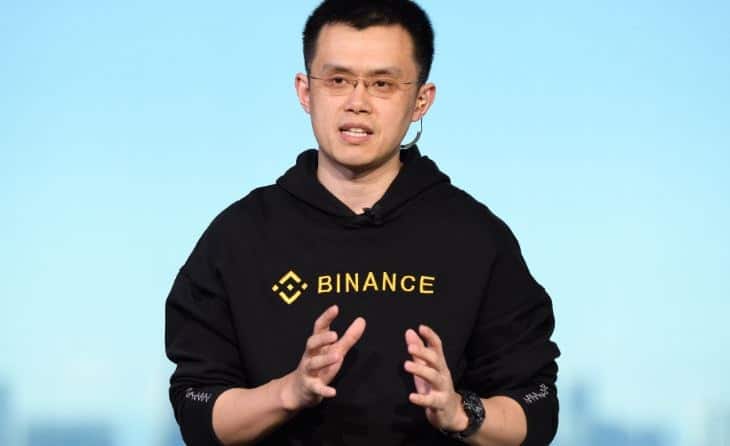
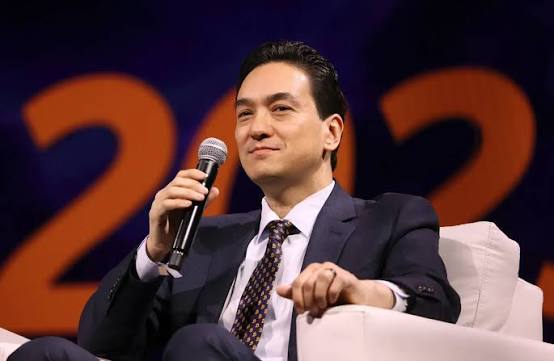
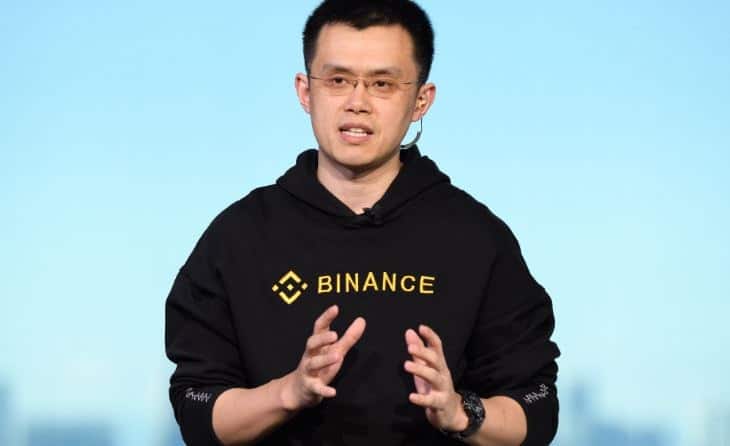
Changpeng Zhao, widely known as CZ and former CEO of Binance, returned to the United States this week for the first time since serving a federal prison sentence in California in 2024. His visit brought him to Mar-a-Lago in Palm Beach, Florida, where he attended a large convention hosted by World Liberty Financial, an organization affiliated with the Trump family. The event combined political influence with cryptocurrency discussion, signaling closer connections between the digital asset sector and key figures in politics and finance.

A report by the Wall Street Journal highlighted that the convention drew a diverse mix of leaders from finance, technology, and entertainment. Notable participants included Goldman Sachs CEO David Solomon, president of the New York Stock Exchange Lynn Martin, entrepreneur and television personality Kevin O’Leary, and Coinbase founder Brian Armstrong, who also joined a private VIP dinner earlier in the week with Trump’s sons and CZ. Rapper Nicki Minaj, who has publicly supported the Trump administration, hosted a “fireside chat” during the gathering.

During the event, CZ posted a photo on X showing himself listening to a senior federal cryptocurrency regulator, commenting, “Learned a lot.” CZ’s return comes after Binance’s operations were blocked in the U.S. in 2023 due to anti-money-laundering violations. That same year, he pleaded guilty to a related charge and was sentenced to four months in federal prison, serving his term from April 2024 and being released in late September. In October 2025, he received a presidential pardon from Donald Trump. In a recent “All-In” podcast interview, Zhao said he did not actively seek the pardon, though he acknowledged that the clemency could assist Binance in pursuing a return to the U.S. market.

World Liberty Financial’s leadership also used the convention to outline their broader vision for the cryptocurrency industry. CEO Zach Witkoff described the company’s ambitions as building a “new digital Bretton Woods system,” referencing the historic 1944 economic conference that established a post-war global financial framework. Donald Trump Jr. emphasized the unprecedented scale of the event, joking about how unimaginable it would have been only a year ago, while Eric Trump compared it favorably to the World Economic Forum in Davos, Switzerland, highlighting the event’s superior hospitality, weather, and attendee mix.

The organization also promoted its stablecoin, USD1, and shared plans to issue digital tokens giving accredited investors a share of loan revenue from a Trump resort under development in the Maldives. Questions about international investment were addressed, including a $500 million deal with a senior Abu Dhabi royal, which the Trump family stated was a routine investment transaction unrelated to any government arrangements.

Several officials connected to the Trump administration attended the event, including Commodity Futures Trading Commission Chairman Michael Selig and Under Secretary of State for Economic Affairs Jacob Helberg. The gathering underscored the growing intersection of political influence, prominent financial actors, and the cryptocurrency industry in the United States, highlighting a convergence of power and digital asset innovation.

Société Générale Brings Its Euro Stablecoin to the XRP Ledger to Boost Adoption

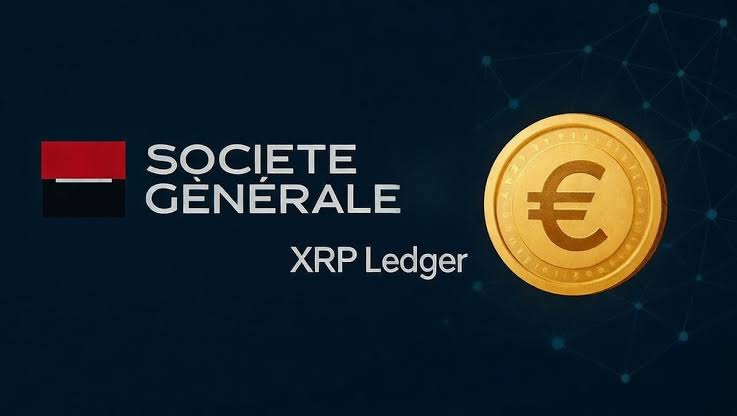
The European banking leader Société Générale has expanded its euro-backed stablecoin, EUR CoinVertible (EURCV), to the XRP Ledger (XRPL) as part of a broader multi-chain strategy. The move is designed to increase the stablecoin’s adoption, improve accessibility, and enable a wider range of use cases across the blockchain ecosystem.

SG-Forge, a digital assets subsidiary of Société Générale, announced that the deployment on XRPL takes advantage of the blockchain’s scalability, rapid transaction processing, and low fees. This aligns with the group’s ongoing commitment to delivering secure, compliant, and transparent crypto solutions for institutional clients.

EUR CoinVertible was previously launched on Ethereum and Solana, making the XRPL the third network to support the asset. With integration support from Ripple’s custody solutions, SG-Forge plans to incorporate EURCV into new applications and products on the blockchain, including its use as trading collateral. Cassie Craddock, Ripple’s managing director for the UK and Europe, praised Société Générale-FORGE’s pioneering role in Europe, highlighting Ripple’s contribution as a reliable digital assets infrastructure provider that meets stringent operational and security standards.

Jean-Marc Stenger, CEO of SG-Forge, stated that the launch on XRPL represents a major milestone in the company’s strategy to provide next-generation crypto-assets that emphasize compliance, transparency, and scalability. He emphasized that the team looks forward to continued innovation and expanding the reach of their digital asset solutions.

According to CoinMarketCap, EURCV currently has a circulating supply of 65.75 million. The stablecoin is fully backed by euro-denominated cash deposits and securities and complies with European Union regulations. By extending the stablecoin to XRPL, Société Générale aims to reach a broader audience and drive increased adoption and practical usage of EURCV.

The timing of this expansion coincides with growing attention on the Ripple network. Advisors at Grayscale recently identified XRP as the second-most-discussed digital asset after bitcoin. Meanwhile, the XRPL is further opening itself to the institutional decentralized finance ecosystem through recent network updates, which are expected to benefit tokens such as EUR CoinVertible.

Société Générale’s expansion of EURCV to the XRP Ledger underscores the growing intersection of traditional banking with the digital asset space. The move demonstrates how established financial institutions are leveraging multiple blockchain networks to provide high-performance, regulated digital assets while continuing to innovate in the rapidly evolving crypto and DeFi markets.

Contrary to the Facts’: Simon Gerovich Defends Metaplanet’s Bitcoin Strategy Against Critics

Metaplanet CEO Simon Gerovich has strongly defended his company’s Bitcoin strategy in response to criticisms claiming that the firm’s disclosures are misleading or incomplete. Gerovich described such claims as “inflammatory and contrary to the facts” and emphasized that all Bitcoin purchases, wallet addresses, and capital deployment decisions have been publicly disclosed in real time.

Over the past six months, amid heightened market volatility, Metaplanet has allocated more capital to its income generating business and actively managed option positions, including selling put options and put spreads. Critics had alleged that a significant Bitcoin purchase near the September price peak, funded by proceeds from an overseas public offering, was not properly disclosed and followed by a period of silence.

In response, Gerovich clarified on X that a portion of these funds was indeed used to buy Bitcoin for long-term holding and that each purchase was reported at the time it was executed. He highlighted that all BTC wallet addresses are publicly accessible through a live dashboard, allowing shareholders to verify holdings in real time. According to Gerovich, Metaplanet ranks among the most transparent publicly listed companies globally.

During September, Metaplanet made four Bitcoin purchases, all of which were promptly announced. While the timing coincided with a local market peak, Gerovich stressed that the company’s strategy focuses on systematic, long-term accumulation of Bitcoin rather than short-term market timing. Each purchase, regardless of price, was disclosed to shareholders.

Addressing criticism over options trading, Gerovich explained that selling put options is not a speculative bet on price increases but a method to acquire Bitcoin at effective costs below the spot price via premium income. This approach lowered the company’s acquisition costs in the fourth quarter. He also revealed that Bitcoin per share, the firm’s primary key performance indicator, rose by over 500 percent in 2025.

On financial reporting, Gerovich noted that net profit is not the appropriate metric for evaluating a Bitcoin treasury company. Instead, he highlighted an operating profit of 6.2 billion yen, representing a year-over-year growth of 1,694 percent. The ordinary loss reported stemmed solely from unrealized valuation changes on long-term Bitcoin holdings, which the company has no intention of selling.

Regarding borrowing activities, Gerovich confirmed that three disclosures were made: the establishment of a credit facility in October and subsequent drawdowns in November and December. All key terms including amounts, collateral, interest structures, purposes, and conditions were fully disclosed, though the lender’s identity and specific interest rates were withheld at the counterparty’s request. Overall, he reaffirmed that Metaplanet maintains a highly transparent approach to both its Bitcoin strategy and financial operations.

Binance’s CZ Claims Minor Role in UAE’s Adoption of Bitcoin as a Store of Value

Changpeng Zhao (CZ), founder and former CEO of the world’s largest crypto exchange, Binance, has shared that he played a small role in the United Arab Emirates formally recognizing bitcoin (BTC) as a store of value, similar to gold. In a social media post, CZ modestly described his involvement as “a tiny bit of advocacy,” reflecting his influence on the country’s growing crypto-friendly stance. His move to Dubai in 2021, driven by the city’s progressive approach to cryptocurrency, allowed him to engage with key figures and contribute to shaping policies around Bitcoin and the broader digital asset sector.

Over the past several years, the UAE has steadily increased its exposure to Bitcoin, combining mining initiatives and the purchase of exchange-traded funds (ETFs). By 2022, Abu Dhabi’s royal family had entered the crypto mining space through its affiliated company, Citadel Mining. The firm launched large-scale mining operations on AI Reem Island and has since accumulated more than $450 million worth of bitcoin.

Recent data from market intelligence platform Arkham shows that the UAE has mined 453.6 BTC, retaining the majority of these coins. The last recorded outflow from these holdings was four months ago, and the royal family has seen roughly $344 million in profit from its mined BTC, not accounting for energy expenses. The country’s investments in ETFs have faced declines along with bitcoin’s broader price drops, yet the combined BTC exposure remains above $1 billion.

With the UAE now officially recognizing bitcoin as a store of value, the cryptocurrency is positioned to be treated as a long-term reserve asset. CZ’s presence and advocacy in Dubai, coupled with the royal family’s strategic accumulation of BTC through mining and ETFs, illustrate the country’s deliberate steps toward integrating Bitcoin into its financial and economic framework. This approach signals that the UAE intends to maintain a significant position in digital assets while treating them alongside traditional reserves like gold.