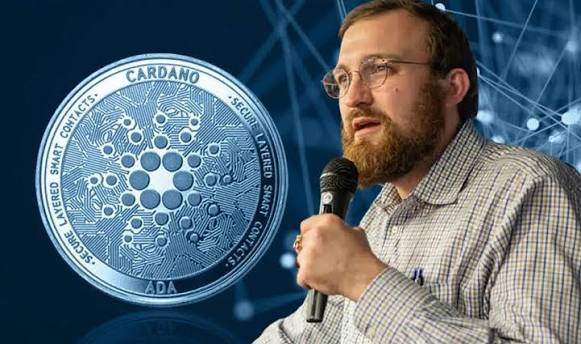
Charles Hoskinson shared his vision for Cardano’s funding strategy in 2026 and outlined how the ecosystem should evolve in the coming year.
In a recently released hour-long video, Hoskinson detailed how funding for Cardano will be structured in 2026. He also highlighted key challenges and explained how the team intends to address them.
“There is nothing that Cardano cannot fix with the resources we have,” Hoskinson said while discussing flaws in current funding models.
Current Structure of Cardano Funding
Hoskinson explained that Cardano’s ecosystem funding is organized into three layers: infrastructure, utility, and experience. Historically, he noted, most funding has been directed toward infrastructure, while utility and experience have received comparatively less support.
Infrastructure covers the core node and programming frameworks, such as Ouroboros Leios, Plutus, and Aiken. Utility focuses on the practical applications built on this infrastructure, including decentralized finance projects. Experience encompasses how users engage with the system, including wallets, account abstraction, and on/off ramps.
Hoskinson added that running and maintaining a node team costs between $1 and $5 million annually and requires 10 to 40 full-time engineers. He recommended continued support for mature infrastructure projects, including Haskell, Rust, Go, Project Bluepring, Hydra, and programming languages such as Aiken and Plutus.
Funding Utility and Strategic Goals for 2026
Given the current challenges in the Cardano ecosystem, such as low monthly active users, transaction volume, and total value locked, Hoskinson suggested funding the utility layer. Funding would come with oversight, operational expense reductions, salary adjustments, and alignment with strategic objectives.
The plan involves creating a weighted index of project tokens, with the treasury acquiring 10 to 30 percent of each project’s total supply in the index. Strategic priorities for the funded decentralized applications include integrating Bitcoin DeFi through the Pogan protocol and adopting hybrid features with Midnight for enhanced privacy.
Additionally, a portion of protocol revenue, for example 10 percent, should be used to purchase ADA and return it to the treasury. These investments are expected to generate returns within one to three years as the treasury divests from the appreciating index.
Experience Layer Investments
Hoskinson emphasized that the experience layer also requires funding to rebuild the ambassador and key opinion leader network, improve user onboarding, and support wallet providers. He suggested organizing 20 to 30 high-value hackathons annually to enhance the developer experience.
He added that the ecosystem must invest in itself to attract external capital. Fragmented or competitive treasury proposals risk creating a “race to the bottom,” making a unified strategic approach essential for sustainable growth.#crypto #cryptonews https://t.me/coinsignalpublic https://coinsignals.net