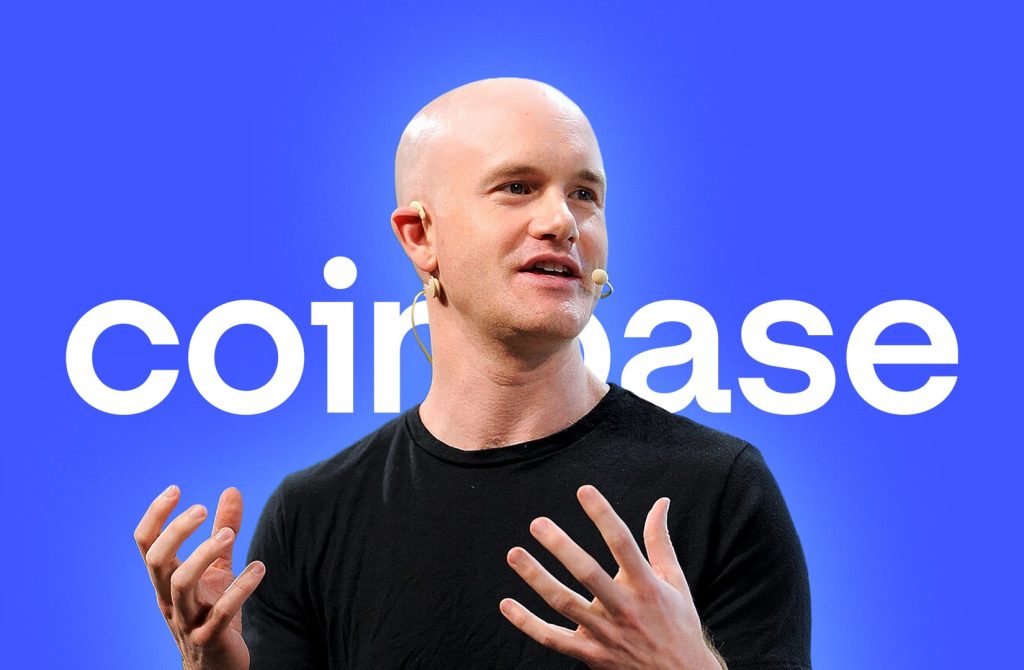
Brian Armstrong, the chief executive of Coinbase, has denied allegations that the company is lobbying against a tax exemption for small Bitcoin transactions in Washington. He described the claims as completely false.
The controversy has drawn attention from Bitcoin supporters, tax experts, and crypto lobbyists, highlighting a broader debate about whose interests large crypto companies represent when engaging with lawmakers in the United States.
Allegations Raised by Bitcoin Advocates
The accusations were first made by Truth for the Commoner, often known as TFTC, a Bitcoin focused media account with close to 100000 followers on X. In a post published on March 11, the account claimed that Coinbase had told legislators that Bitcoin is not widely used for payments and that a tax exemption for small BTC transactions would be unlikely to pass.
TFTC also argued that Coinbase could have financial incentives to oppose such a policy. The account stated that the exchange generated about 1.35 billion dollars in stablecoin related revenue last year. Most of that income reportedly came from interest earned on United States Treasury securities backing the reserves of USDC.
According to TFTC, if small Bitcoin transactions were exempt from capital gains taxes while stablecoins were not, Bitcoin could become a more appealing option for payments. That shift might pull users away from Coinbase’s stablecoin ecosystem, which generates revenue through yield.
Proposed Legislation
In 2025, Cynthia Lummis, a senator from Wyoming, introduced legislation aimed at modernizing digital asset tax rules. The proposal included a provision that would allow a tax exemption for crypto gains on transactions worth up to 300 dollars.
According to TFTC, a related version of the proposal in the House of Representatives includes a lower threshold of 200 dollars and is limited to stablecoins.
Armstrong responded directly to the accusations on social media, saying that he has personally spent significant time advocating for a Bitcoin tax exemption for small transactions and plans to continue doing so.
Disagreement Continues
Despite Armstrong’s denial, Mart Bent, co founder of TFTC, maintained that sources had told him a different story. He clarified that his claims did not necessarily involve Armstrong personally but may involve members of Coinbase’s team or its lobbyists.
Bent also questioned whether Armstrong would withdraw support from pending crypto market structure legislation if it did not include a Bitcoin tax exemption. Earlier in the year, Armstrong had stepped back from supporting the CLARITY Act after disagreements related to stablecoin yield provisions.
A Complex Policy Discussion
Meanwhile, tax attorney Jason Schwartz, who is widely known online as CryptoTaxGuy, offered additional context to the debate.
He suggested that the conversation may be mixing several different policy proposals together. These include a tax exemption for small personal crypto transactions, a potential exemption for gas fees, changes to reporting rules for stablecoins, and a proposal that would treat stablecoin gains and losses as having zero value for tax purposes.
Schwartz noted that different participants in the crypto industry will naturally advocate for policies that benefit their specific interests. In his view, that does not necessarily mean one group is trying to eliminate another policy proposal.#crypto#cryptonews https://t.me/coinsignalpublic https://coinsignals.net