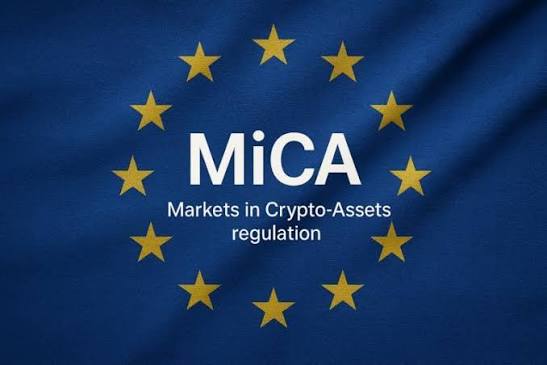
The European Union’s transition period under the Markets in Crypto Assets regulation, known as MiCA, officially ends on July 1, 2026. From that date forward, any crypto company operating in the EU without a valid MiCA license will be considered non compliant and in violation of regulatory requirements.
The deadline marks a major turning point for Europe’s crypto industry, with many firms now facing difficult decisions about licensing, restructuring, or exiting the region entirely.
MiCA Raises Pressure on Crypto Firms
European Securities and Markets Authority has instructed all unauthorized digital asset providers to stop operations before the end of the transition period.
Under MiCA, crypto firms must secure authorization from a national regulator in order to continue serving customers within the European Union.
Before MiCA, Europe was home to more than 3,000 legitimate virtual asset providers. However, the new regulatory framework is expected to significantly reduce that number.
Several major exchanges have already adjusted their European operations. Binance announced that it would suspend parts of its EU services after failing to secure a MiCA license.
Former Binance CEO Changpeng Zhao stated in an interview with The Block that the company’s license application in Greece had reportedly met compliance requirements and was close to approval before being withdrawn.
Journalist Gareth Jenkinson also claimed that sources suggested Christine Lagarde may have influenced Greek authorities against approving the permit.
Binance is now pursuing licensing approvals in other EU markets, including France, Ireland, and Latvia.
Many Firms May Exit the EU Market
According to OKX Europe CEO Erald Ghoos, as much as 80% of crypto firms may fail to survive under MiCA and could be forced out of the European market.
This view is supported by growing relocation interest. Dubai based lawyer Irina Heaver noted a sharp rise in inquiries from European crypto founders considering a move to the United Arab Emirates.
One major reason is speed. In the UAE, licensing through the Virtual Assets Regulatory Authority can reportedly be completed within days rather than months.
For consumers, ESMA has issued a warning to exercise caution. Investors are advised to confirm whether their crypto provider appears on the official MiCA register and verify which legal entity is responsible for holding their assets.
Regulators also recommend that users consider moving funds away from unauthorized platforms after July 1, as these services may offer weaker legal protections and greater risk of losing access to customer assets.
Regulation Also Creates New Opportunities
Despite concerns about an industry exodus, not all signals point to negative outcomes.
Some crypto firms are already benefiting from greater regulatory clarity.
Konstantins Vasilenko, co founder and CBDO of Paybis, said MiCA is helping attract larger institutional investors who require strong regulatory certainty before deploying capital.
According to Vasilenko, Paybis secured both MiCA and PSD2 licenses in Latvia in May. Since then, the company’s EU trading volume has increased by 70% quarter over quarter, even though transaction counts have remained relatively stable.
This suggests that while MiCA may force many smaller firms out of the market, it could also strengthen confidence and encourage larger institutional participation in Europe’s crypto sector.#crypto#cryptonews https://coinsignals.net https://t.me/coinsignalpublic