The European Union can now prohibit crypto transactions involving entire jurisdictions accused of helping Russia evade sanctions, while 11 crypto platforms have already been targeted under the latest measures.
The European Union on Thursday approved its 21st sanctions package against Russia, introducing some of its toughest restrictions yet on the use of cryptocurrency. Under the new rules, individuals and businesses within the EU are prohibited from conducting transactions with 11 unnamed crypto operators, as well as 94 banks and financial institutions.
Although the identities of the crypto platforms have not been disclosed, EU officials said most of them operate in Belarus and Nigeria and allegedly facilitate financial flows between Russia and countries restricted from doing business with Moscow.
Until now, the EU could only sanction individual companies. The latest package expands those powers, allowing Brussels to block crypto services across an entire country or jurisdiction if it believes they are being used to help Russia bypass international sanctions. The move marks a significant escalation in the EU’s efforts to curb sanctions evasion.
Focus on Stablecoins and Russian Linked Crypto Networks
The latest sanctions build on a broader campaign targeting crypto services connected to the Russian financial system.
Earlier this year, the EU sanctioned the A7A5 stablecoin, which authorities said was used to facilitate transfers between the sanctioned exchanges Garantex and Grinex. Restrictions were later extended to the RUB token and Russia’s digital ruble initiative.
The United Kingdom also expanded its sanctions in May by targeting HTX, formerly known as Huobi, over alleged links to A7 and Garantex. According to a report by Global Ledger, HTX processed approximately $21 billion in what it classified as high risk cryptocurrency transactions over the past five years, with nearly $8 billion linked to Russian entities and darknet marketplaces.
Sanctions Expand Beyond Crypto
The latest package also places 94 financial institutions under sanctions, including 32 banks and the Moscow Stock Exchange. Their assets held within the European Union will be frozen, and EU individuals and companies will be prohibited from doing business with them.
For the first time, the sanctions also target vessels associated with Russia’s so called shadow fleet, which has been used to transport oil outside Western restrictions.
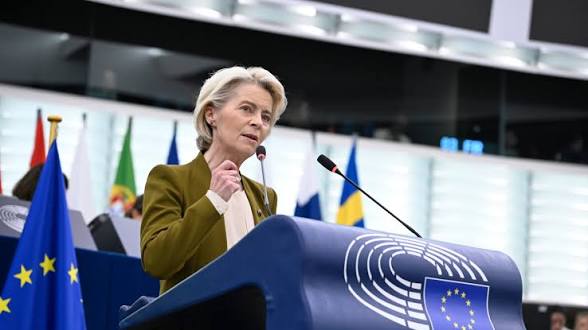
European Commission President Ursula von der Leyen confirmed that the oil price cap would remain fixed at $44.10 per barrel to prevent Russia from benefiting from market volatility. She also said the European Union intends to prohibit Russian combatants from entering member states.#crypto#cryptonews https://coinsignals.net https://t.me/coinsignalpublic